
Culinary Innovations: The Future of Food Technology
MC
The Rise of Food Tech Innovations
In today's fast-paced world, culinary innovations are transforming the way we perceive and consume food. The intersection of food and technology is not just limited to smart refrigerators and app-based delivery services anymore. From lab-grown meats to AI-driven kitchen appliances, the future of food technology promises to revolutionize our kitchens and dining experiences. These advancements are not only catering to the evolving consumer demands but are also addressing global challenges such as sustainability and food security.
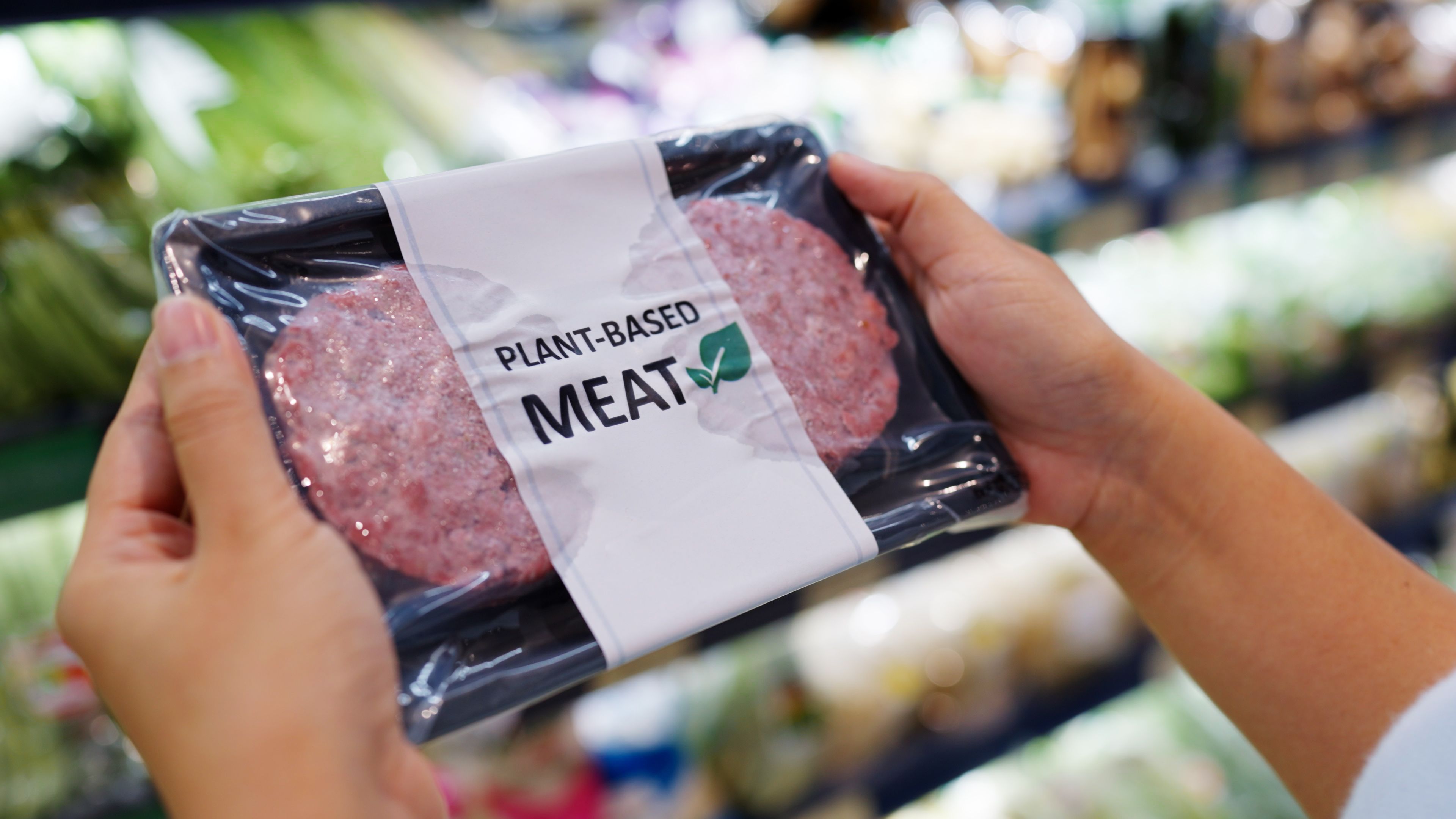
One of the most noteworthy innovations in recent years is the development of alternative proteins. As concerns about the environmental impact of traditional livestock farming grow, companies are investing heavily in plant-based and cultured meat products. These alternatives offer a more sustainable solution to meet the world's protein needs without compromising on taste or texture.
AI in the Kitchen
Artificial intelligence is making significant strides in the culinary world, offering a helping hand in both home kitchens and professional settings. AI-powered recipe assistants can suggest meal ideas based on available ingredients, dietary preferences, and even nutritional goals. These smart systems can learn from user feedback, continuously improving their recommendations.
In restaurants, AI is streamlining operations by optimizing inventory management, predicting customer preferences, and even assisting chefs with precise cooking techniques. This technological advancement not only enhances efficiency but also reduces food waste significantly.
Personalized Nutrition and Health
The concept of personalized nutrition is gaining traction as consumers become more health-conscious. Food technology companies are leveraging data analytics and genetic information to offer tailored dietary recommendations. This approach considers an individual's unique genetic makeup, lifestyle, and health goals to create customized meal plans that optimize well-being.

Moreover, wearable devices are increasingly being used to monitor dietary intake and provide real-time feedback on nutritional choices. These gadgets sync with apps that track calorie consumption, nutrient intake, and even hydration levels, empowering individuals to make informed decisions about their diet.
Smart Appliances Revolutionizing Cooking
Smart kitchen appliances are gradually becoming mainstream, transforming how we cook and interact with our culinary environments. From intelligent ovens that adjust cooking times based on the dish to refrigerators that notify users when they are running low on essentials, these innovations are making cooking more convenient and efficient than ever before.
Furthermore, these devices are often equipped with connectivity features that allow users to control them remotely via smartphone apps. This means you can preheat your oven on your way home or check the contents of your fridge while grocery shopping, thus enhancing your cooking experience.

The Role of Blockchain in Food Safety
Blockchain technology is playing a pivotal role in ensuring food safety by enhancing traceability across the supply chain. By using blockchain, every step of a product's journey—from farm to table—can be recorded and verified, ensuring transparency and authenticity. This increased traceability helps in quickly identifying sources of contamination during food safety recalls, thus protecting consumers.
Moreover, blockchain technology can also be used to verify certifications such as organic or fair trade, providing consumers with peace of mind regarding the origin and quality of their food products.
The Future Outlook
As we look to the future, it's clear that culinary innovations will continue to evolve at a rapid pace. The integration of cutting-edge technology into our food systems holds the promise of addressing some of the most pressing challenges faced by our planet today. By embracing these innovations, we can look forward to a future where food is not only more sustainable and accessible but also more personalized and enjoyable.