
Culinary Skills 101: Mastering Basic Cooking Techniques
MC
Understanding Knife Skills
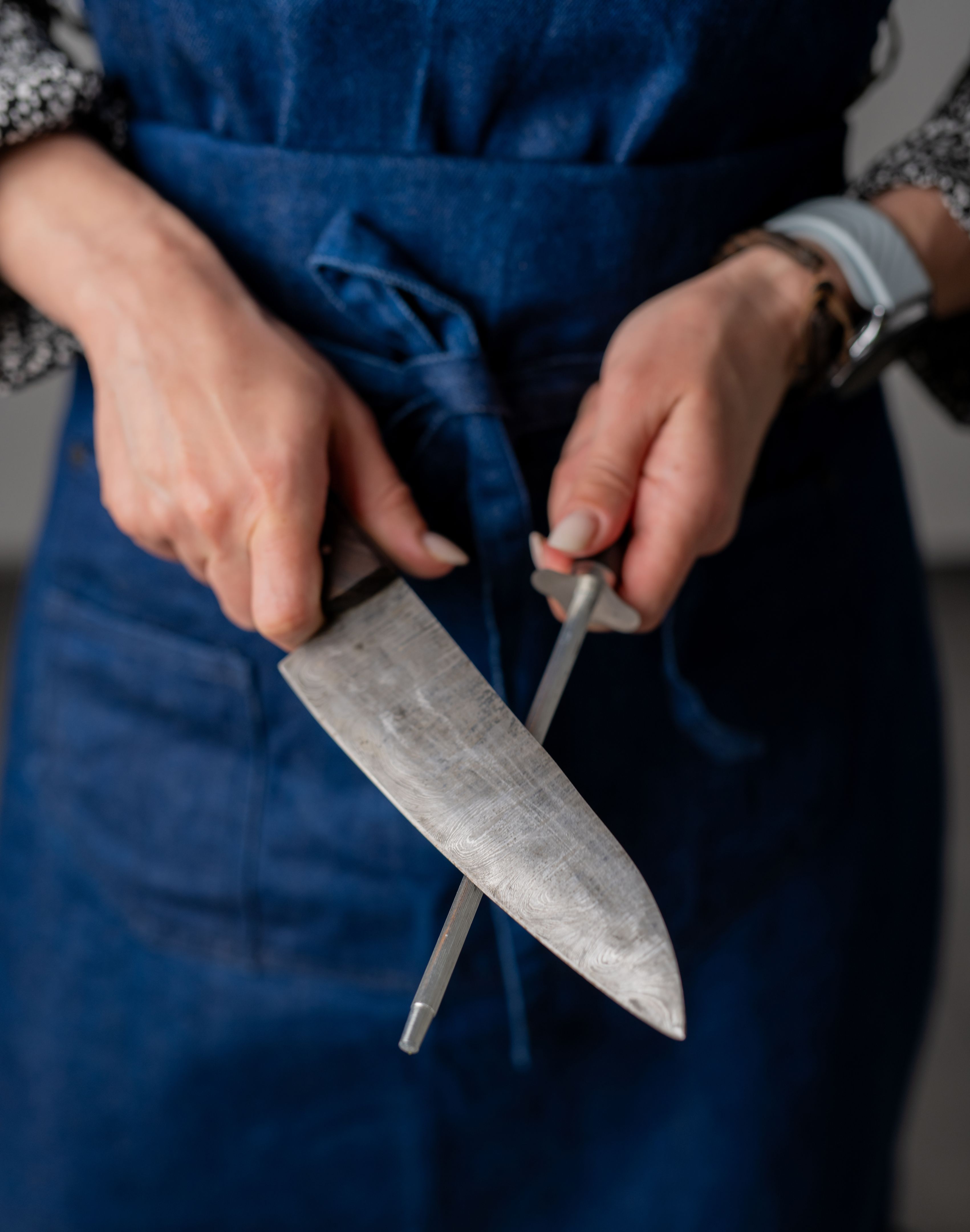
Mastering basic knife skills is fundamental for any aspiring cook. Knowing how to handle a knife properly not only ensures safety but also improves efficiency in the kitchen. Start by learning the correct grip and stance. Hold the knife with a firm grip, using your index finger and thumb to pinch the blade while wrapping your remaining fingers around the handle.
The next step is to familiarize yourself with different cutting techniques. The most common techniques include dicing, slicing, and chopping. For dicing, aim for uniform cubes, while slicing requires even, thin pieces. Chopping involves cutting food into small pieces, usually when precision isn't as critical.
Essential Cooking Methods
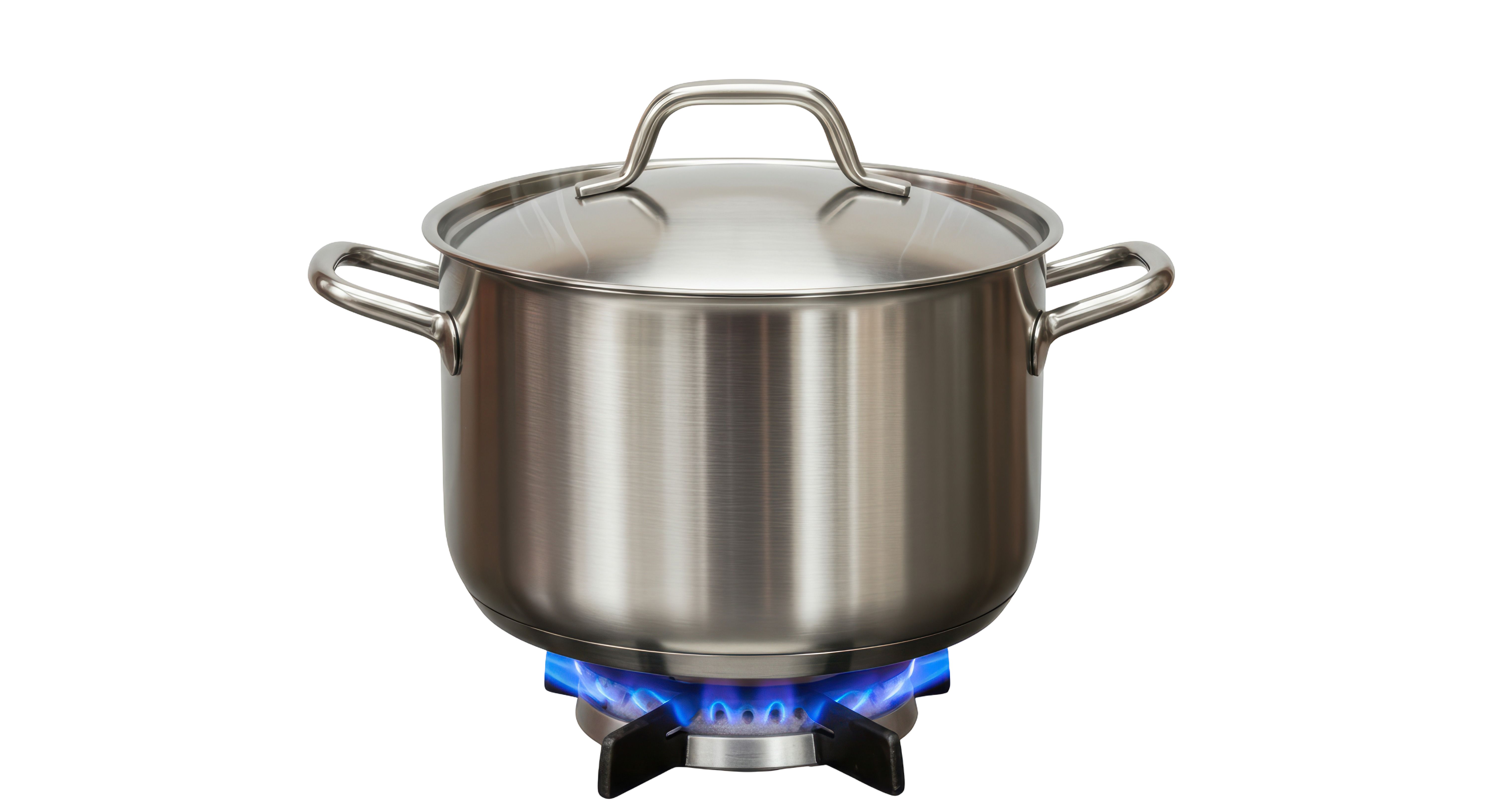
An essential part of culinary skills involves mastering fundamental cooking methods like sautéing, boiling, and roasting. Sautéing involves cooking food quickly in a small amount of oil over high heat, perfect for vegetables and thin cuts of meat. Boiling is a moist-heat cooking method that works well for pasta and vegetables, achieved by cooking ingredients in water at 212°F (100°C).
Roasting is a dry-heat method that involves cooking food in an oven at high temperatures. It's ideal for larger cuts of meat and vegetables, helping to develop a rich, caramelized flavor. Understanding these techniques will provide a solid foundation for tackling more complex recipes.
Balancing Flavors
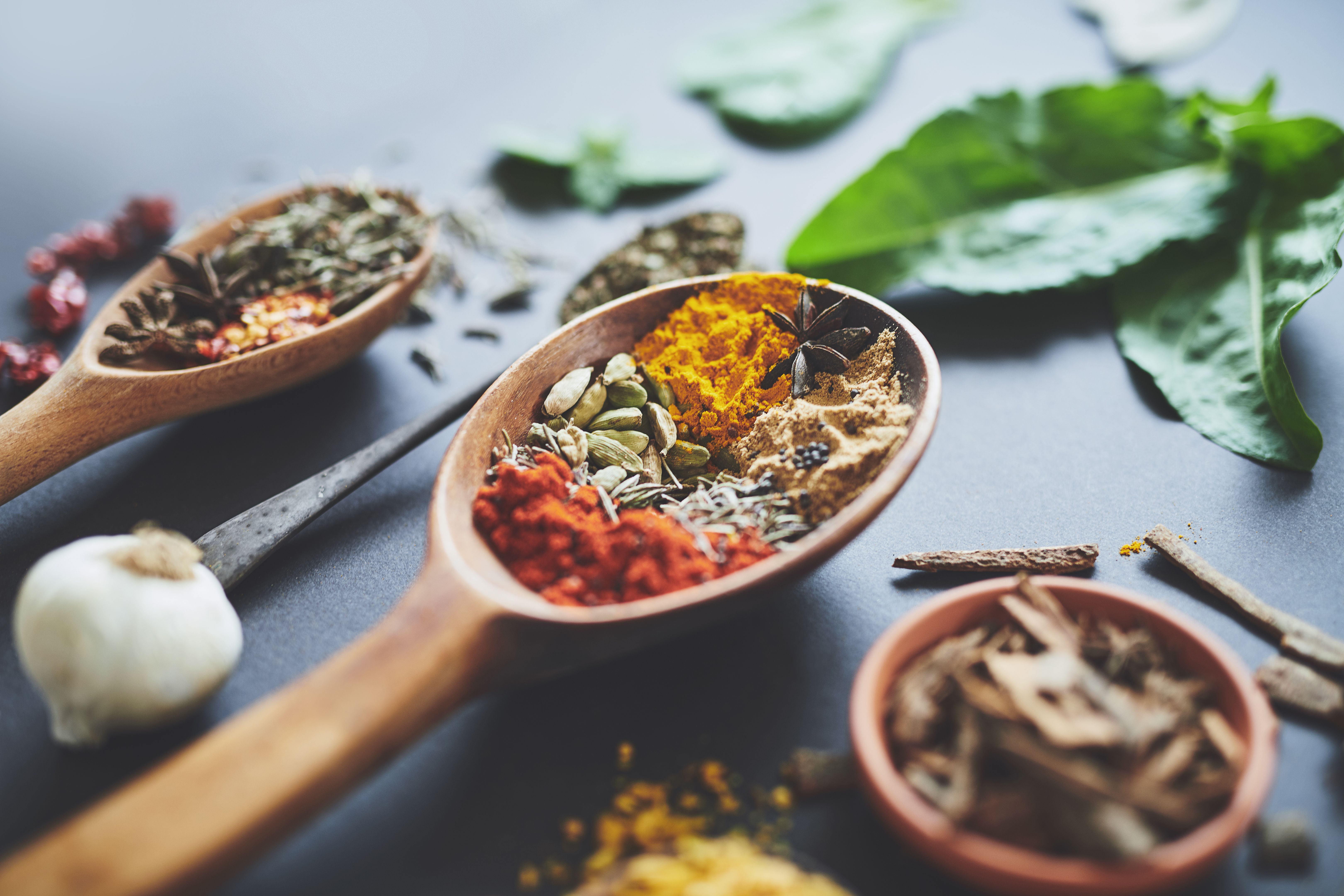
One of the keys to successful cooking is mastering the art of balancing flavors. The primary flavor components to consider are salty, sweet, sour, bitter, and umami. Achieving the right balance ensures that no single flavor overwhelms the dish.
Begin by tasting your dish as you cook and adjust seasonings accordingly. If a dish is too salty, add a touch of sugar or acid to balance it out. For sweetness, a hint of salt can enhance the complexity. Understanding how these flavors interact will elevate your culinary creations.
Using Fresh Ingredients
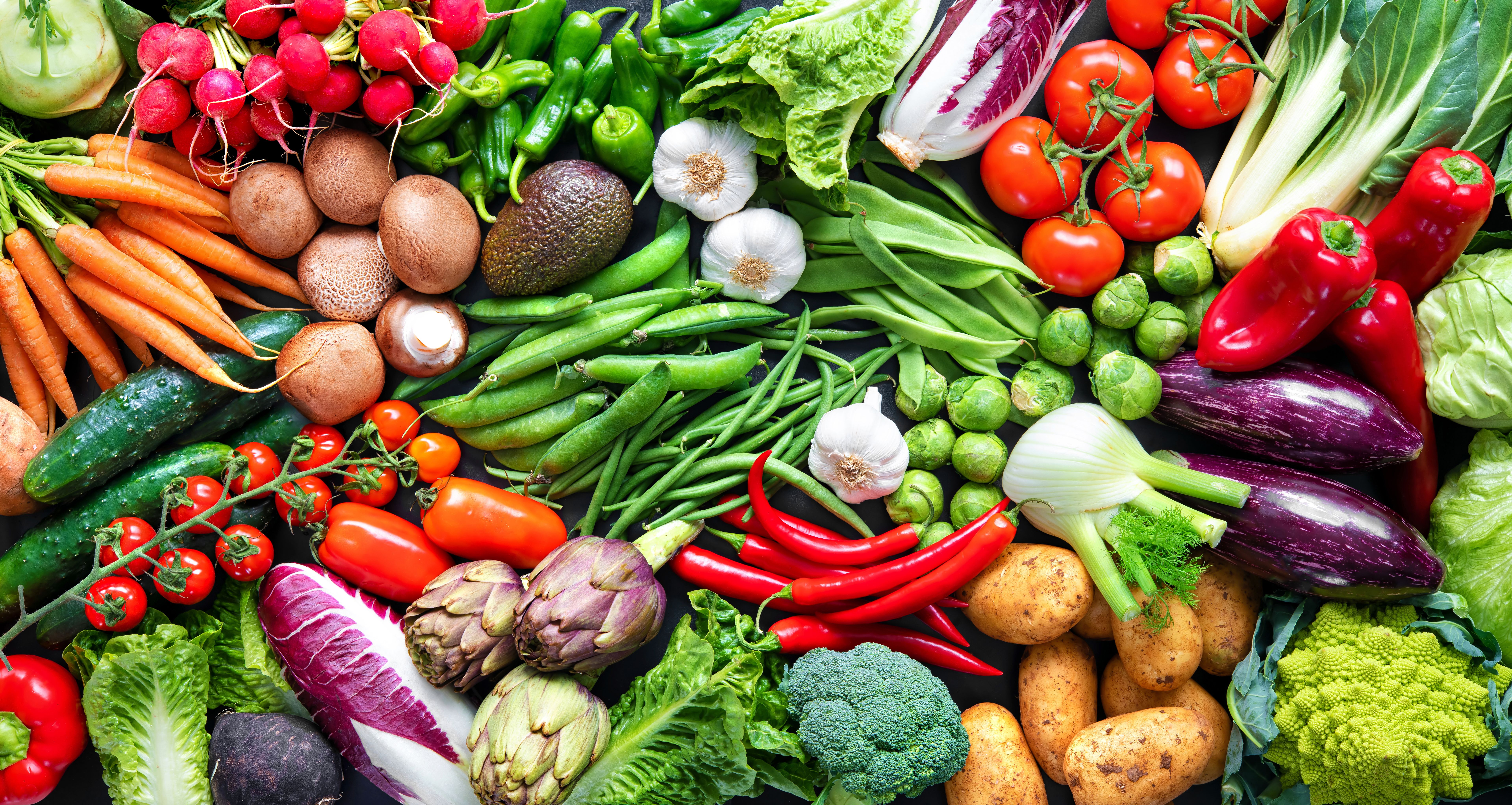
Quality ingredients can make all the difference in your dishes. Fresh produce, herbs, and spices provide vibrant flavors and aromas that are difficult to replicate with processed alternatives. When selecting ingredients, look for vibrant colors and crisp textures for vegetables and fruits.
Fresh herbs can transform a dish with their aromatic qualities. Basil, cilantro, and parsley are versatile options that can be used in a variety of cuisines. Keeping a small herb garden or purchasing fresh herbs regularly will enhance your cooking repertoire.
Plating and Presentation
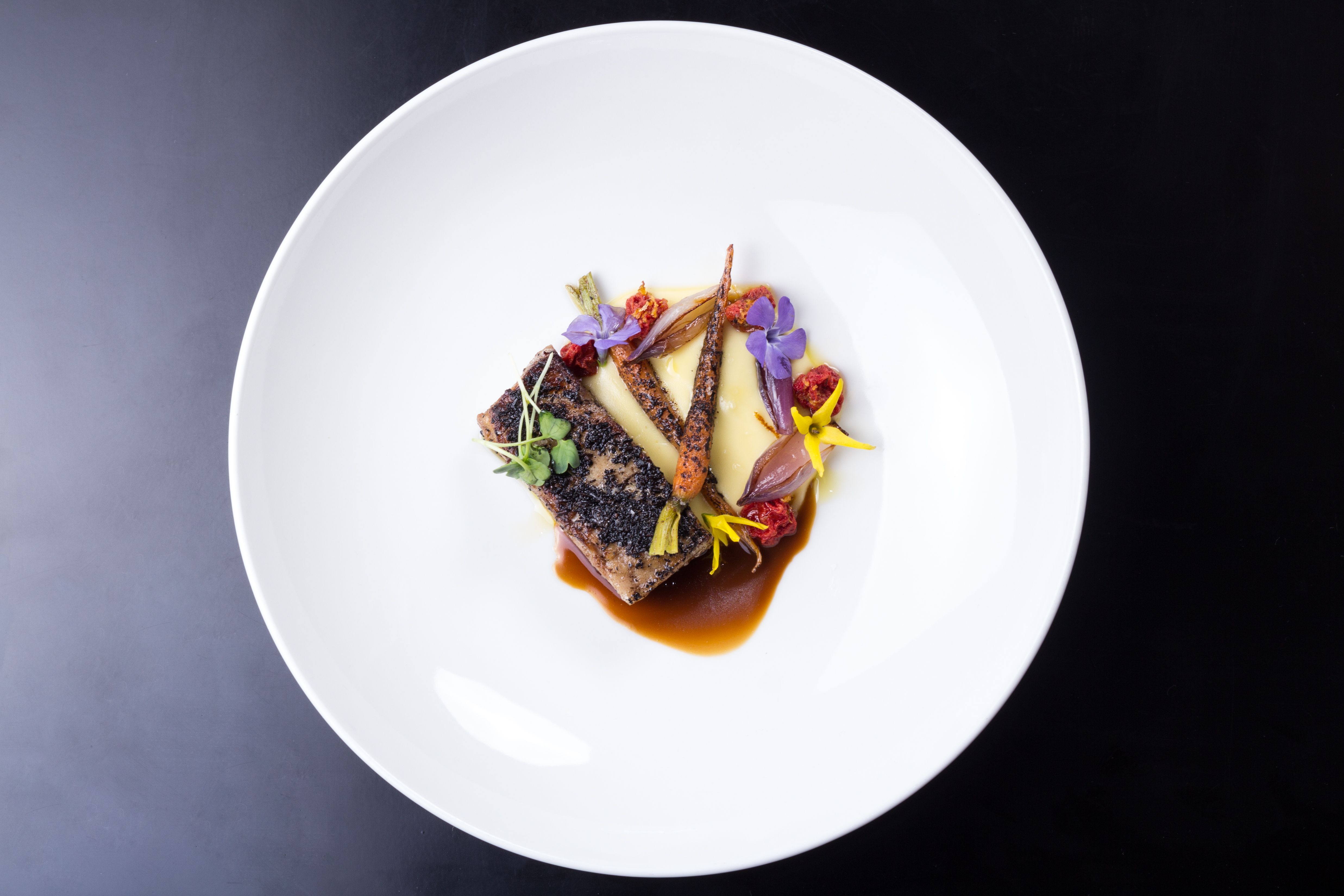
A well-presented dish not only looks appealing but also enhances the overall dining experience. Start by selecting the right plate size to ensure that your food isn't overcrowded or lost on the plate. Experiment with different plating techniques such as stacking, spreading sauces artistically, or adding garnishes for color contrast.
Remember that less is often more when it comes to plating. Keep the focus on the main components of the dish while ensuring that everything on the plate is edible. Practicing these skills will help you present dishes that are both visually stunning and delicious.
Continuous Practice
Like any skill, becoming proficient in cooking requires continuous practice and experimentation. Try new recipes and push yourself to learn different cuisines and techniques. Don't be afraid to make mistakes; they are valuable learning experiences that will enhance your abilities over time.
Consider documenting your culinary journey by keeping a journal of recipes you try, noting what worked well and what didn't. This reflection can provide insights into your strengths and areas for improvement.
With dedication and practice, mastering these basic cooking techniques will lay a strong foundation for exploring more advanced culinary arts.