
Debunking Common Cooking Myths: What Every Home Chef Should Know
MC
Introduction to Cooking Myths
Every home chef has encountered cooking advice that sounds plausible but might be far from the truth. These myths often get passed down through generations, leading many to believe they are essential for successful cooking. In reality, some of these myths can even hinder your culinary progress. Let's uncover the truth behind some of the most common cooking myths and set the record straight.
Myth 1: Searing Meat Seals in Juices
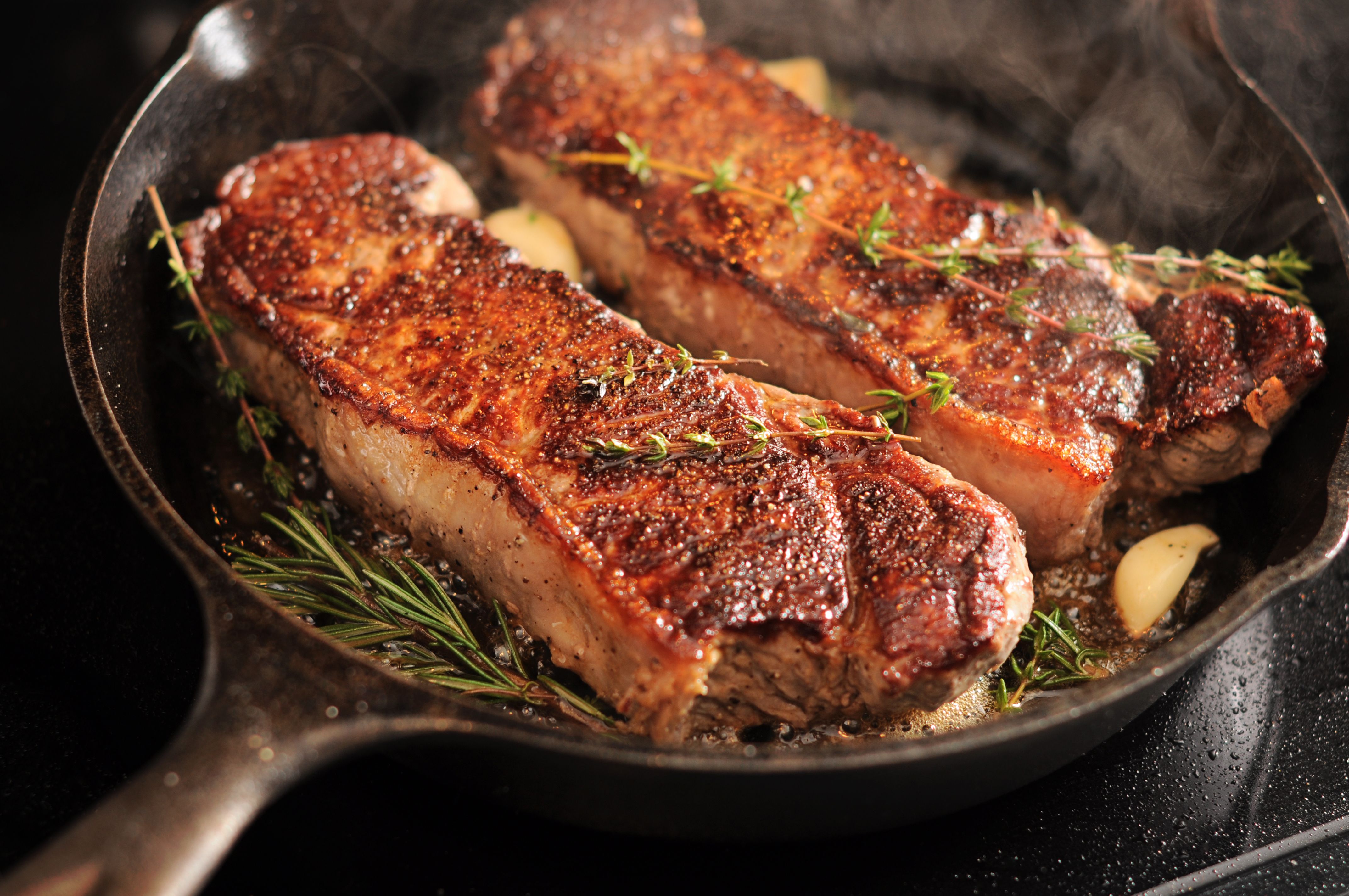
One of the most pervasive cooking myths is that searing meat will seal in its juices. While searing does create a flavorful crust, scientific tests have shown that it does not prevent moisture loss. The key to juicy meat lies in cooking at the right temperature and letting it rest after cooking.
Myth 2: Adding Oil to Pasta Water Prevents Sticking
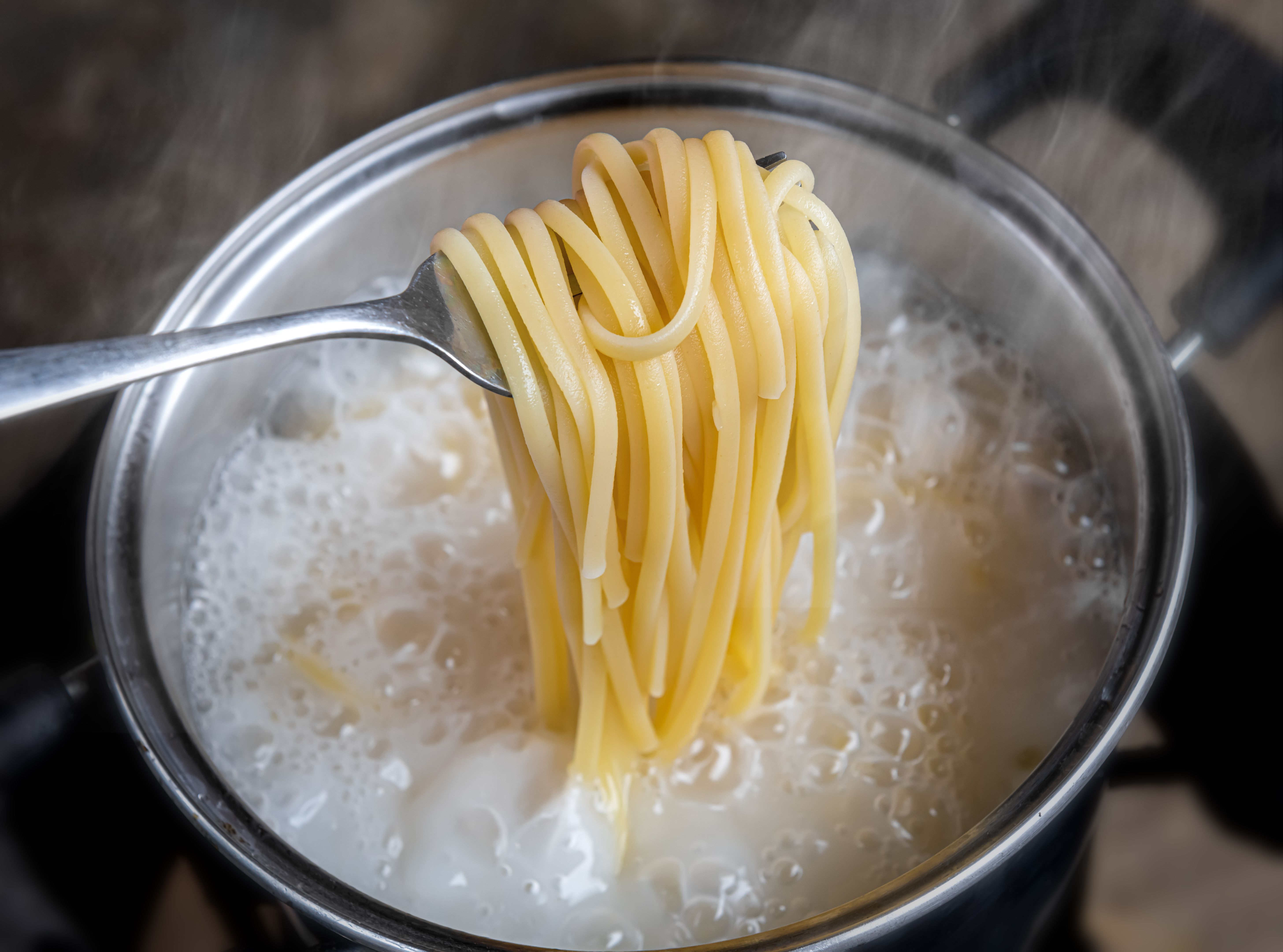
Many people believe that adding oil to pasta water keeps the noodles from sticking together. However, the real solution is to stir the pasta occasionally during the first few minutes of cooking. Adding oil can actually prevent sauce from adhering to the pasta, leaving you with a less flavorful dish.
Proper Pasta Cooking Tips
- Use plenty of water to dilute the starch released by pasta.
- Stir frequently, especially at the start of cooking.
- Avoid rinsing pasta after cooking to keep it starchy and ready to absorb sauce.
Myth 3: You Can Tell When Meat Is Done by Color
Relying on color alone to determine doneness can be misleading. For instance, ground beef can remain pink even when fully cooked, while some meats turn brown before reaching a safe temperature. Using a meat thermometer is the most accurate way to ensure your meat is cooked properly.
Myth 4: Alcohol Completely Evaporates During Cooking
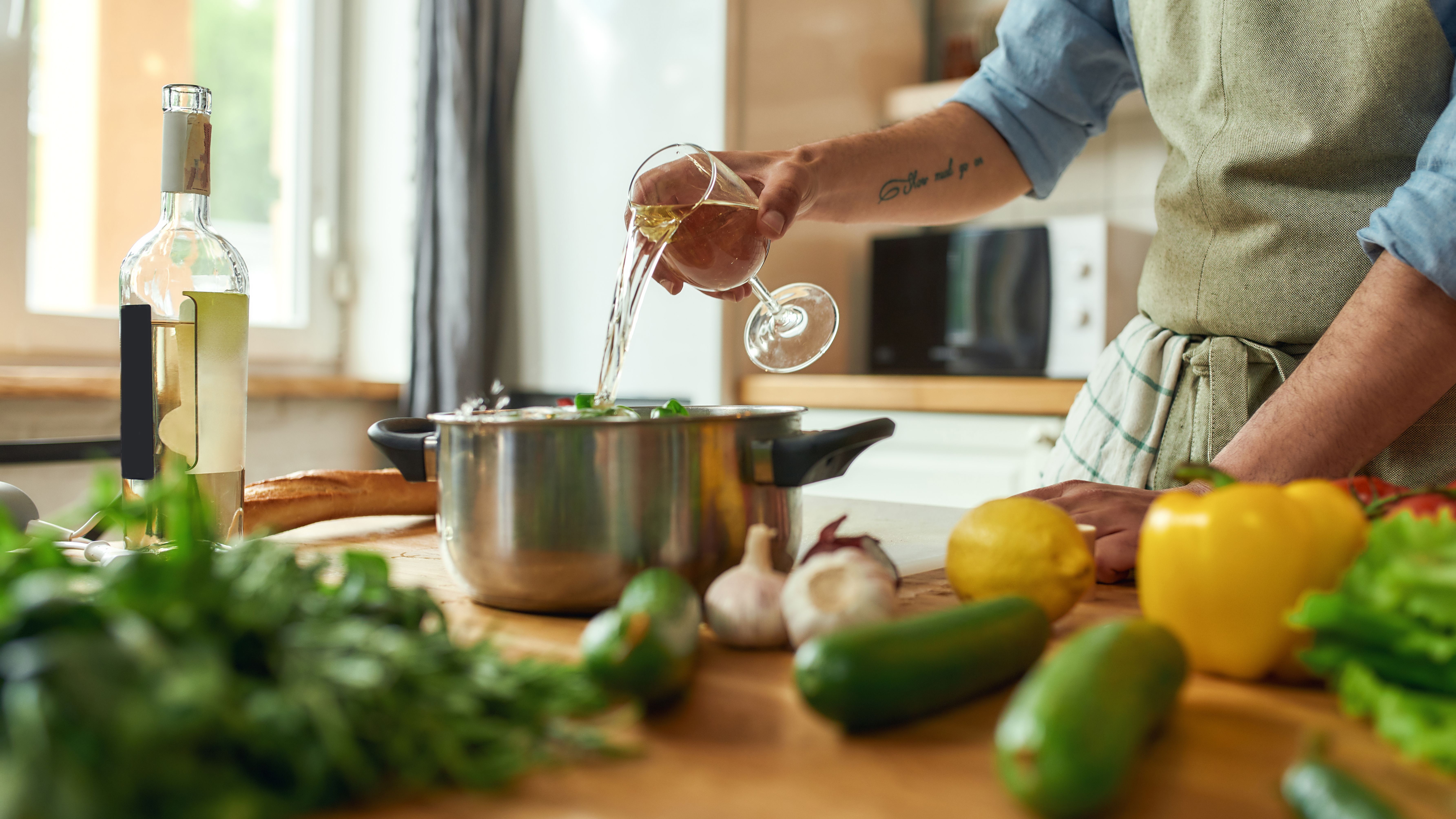
It is a common misconception that alcohol fully evaporates when cooked. In reality, traces of alcohol can remain even after prolonged cooking. The amount left depends on the cooking time and method. For those looking to avoid alcohol, consider using substitutes like broth or juice for similar flavors.
Myth 5: Salt Makes Water Boil Faster
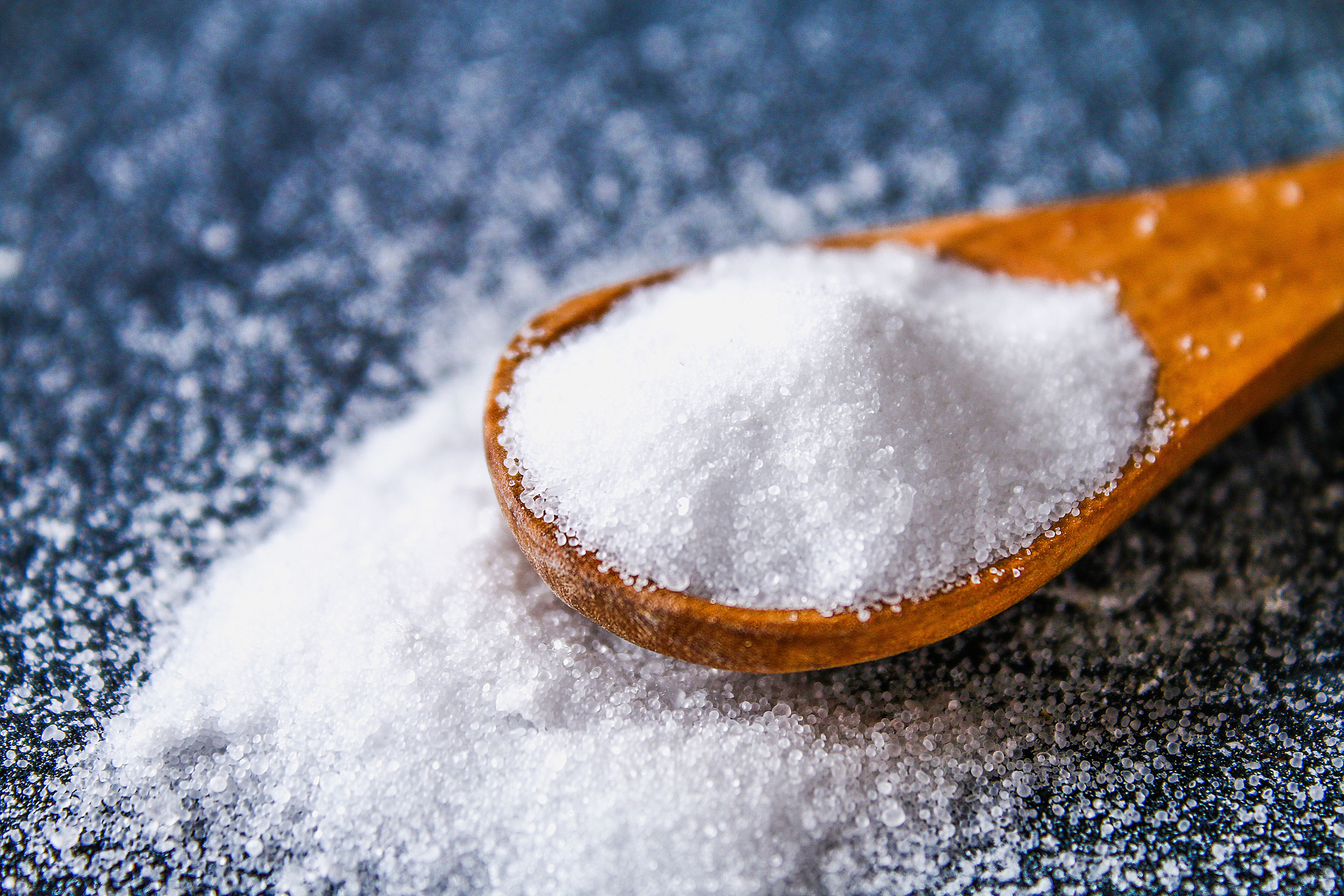
This old wives' tale suggests that adding salt to water will make it boil more quickly. While salt does slightly increase the boiling point, the effect is minimal and doesn't significantly speed up the boiling process. The real reason to add salt is for flavor enhancement.
The Benefits of Salt in Cooking
- Enhances the natural flavors of food.
- Helps preserve color and nutrients in vegetables.
- Aids in achieving a perfect texture in baked goods.
Conclusion: Trust Your Instincts and Science
Cooking is both an art and a science, and while traditions hold value, it's important to question and test them. By debunking these common myths, every home chef can enhance their skills and produce more delicious dishes with confidence. Trust your instincts, rely on science, and enjoy your culinary adventures!