
Debunking Common Cooking Myths: What You Really Need to Know
MC
Understanding Cooking Myths
Cooking is an art that has been surrounded by various myths and misconceptions. While some of these are harmless, others can affect the quality of your culinary creations. Today, we aim to debunk some common cooking myths and provide you with the insights you need to become a better cook.
It's crucial to understand that many cooking myths stem from outdated practices or misunderstandings. By shedding light on these myths, we hope to empower you with the knowledge to make informed decisions in the kitchen.

Myth 1: Searing Meat Seals in Juices
The idea that searing meat seals in its juices is perhaps one of the most widespread cooking myths. While searing does create a flavorful crust, it doesn't actually lock in moisture. In reality, searing meat can lead to some moisture loss. However, the primary benefit of searing is the enhancement of flavor through the Maillard reaction, not moisture retention.
To ensure juicy meat, focus on proper cooking techniques such as resting your meat after cooking, which allows the juices to redistribute evenly.
Myth 2: You Need to Rinse Pasta After Cooking
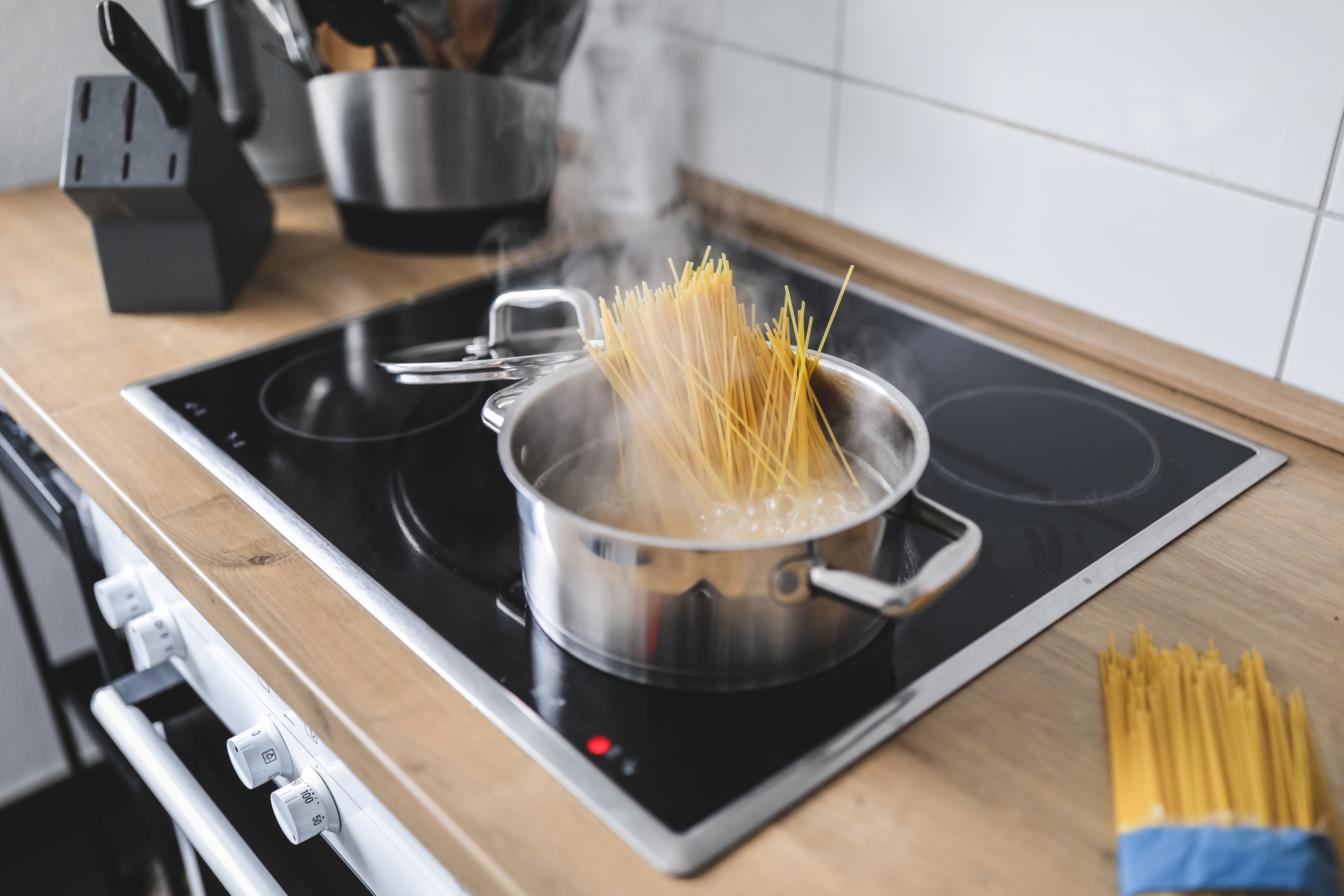
Another common myth is that rinsing pasta after cooking helps in removing excess starch and prevents sticking. While rinsing does remove starch, it also washes away the pasta's natural surface, which helps sauces adhere better. To prevent sticking without rinsing, simply toss the pasta with a bit of sauce or olive oil immediately after draining.
Myth 3: Alcohol Completely Evaporates During Cooking
Many believe that when you cook with alcohol, it completely evaporates, leaving no trace behind. However, research shows that some alcohol content remains, even after extended cooking times. The amount of alcohol left depends on the cooking method and time. If you're concerned about alcohol content, opt for longer cooking times or consider using alcohol-free alternatives.
This myth is particularly important for those who avoid alcohol for dietary or personal reasons. It's essential to be aware of this when preparing meals for guests with specific dietary needs.
Myth 4: Salt in Water Makes It Boil Faster
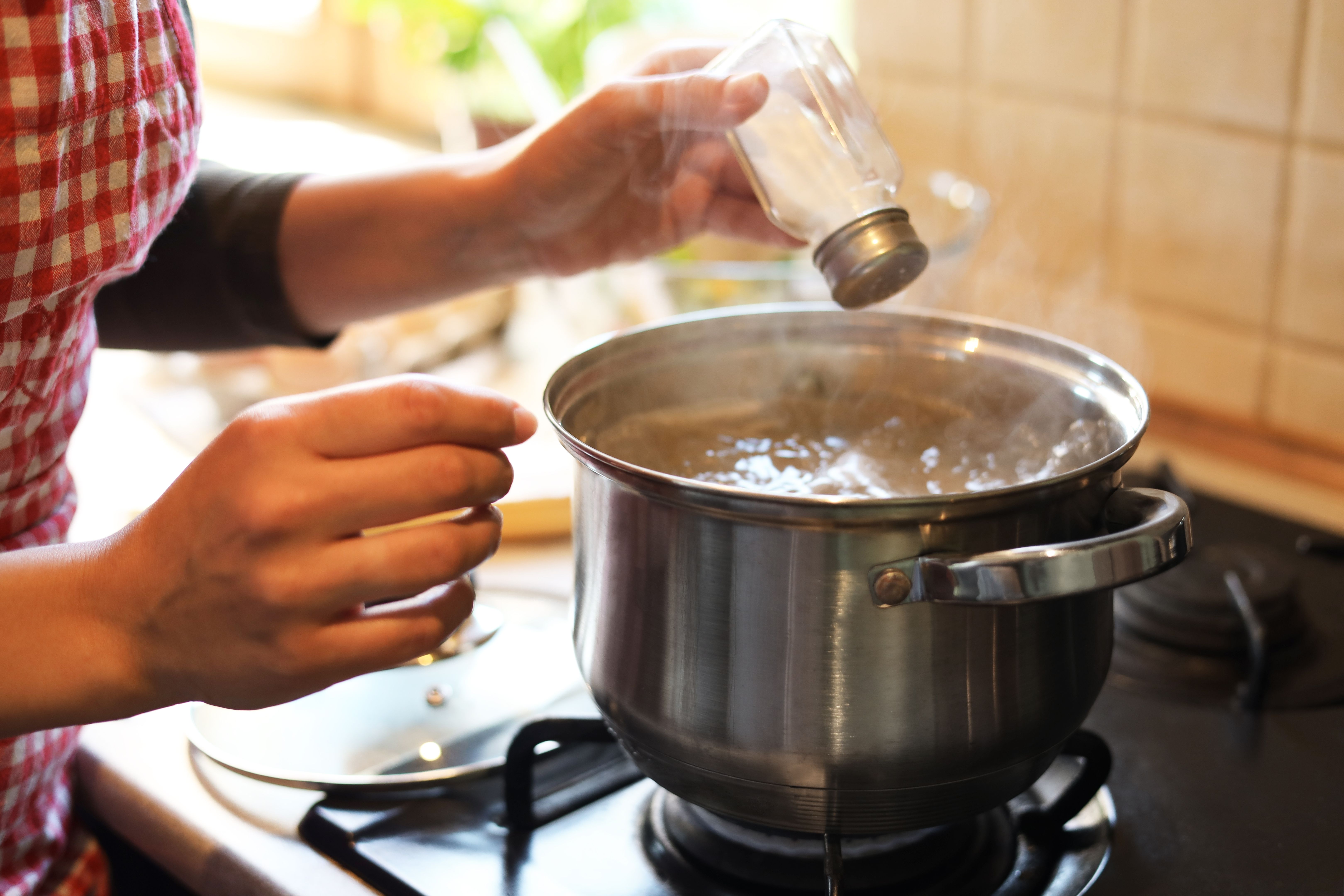
The belief that adding salt to water makes it boil faster is a common misconception. In fact, adding salt slightly increases the boiling point of water, meaning it will take a bit longer to boil. The real reason chefs add salt to boiling water is to enhance the flavor of the food being cooked, especially pasta and vegetables.
Myth 5: You Can Judge a Steak's Doneness by Touch
While some chefs use the "finger test" to gauge steak doneness, it isn't foolproof for everyone. The best way to ensure your steak reaches the desired level of doneness is by using a meat thermometer. This tool provides an accurate reading, ensuring your steak is cooked perfectly every time.
Remember, relying on temperature rather than touch can help you achieve consistent results and prevent overcooking or undercooking your meat.
Conclusion
By debunking these common cooking myths, we hope to enhance your culinary skills and boost your confidence in the kitchen. Remember, cooking is as much about experimenting and learning as it is about following recipes. Equip yourself with accurate information, and you'll be well on your way to becoming a master chef in your own right.