
Demystifying Food Labels: What Do They Really Mean?
MC
Understanding the Basics of Food Labels
Food labels are an essential tool for consumers looking to make informed choices about their diet. However, they can often be confusing or misleading. By understanding the basics of food labeling, you can better navigate the grocery store aisles and choose products that align with your nutritional needs.
At their core, food labels provide information about the nutritional content of a product. This includes details like calories, macronutrients (such as fats, proteins, and carbohydrates), and micronutrients (like vitamins and minerals). Additionally, labels may contain claims about the health benefits or origins of the product.
Decoding Nutrition Facts
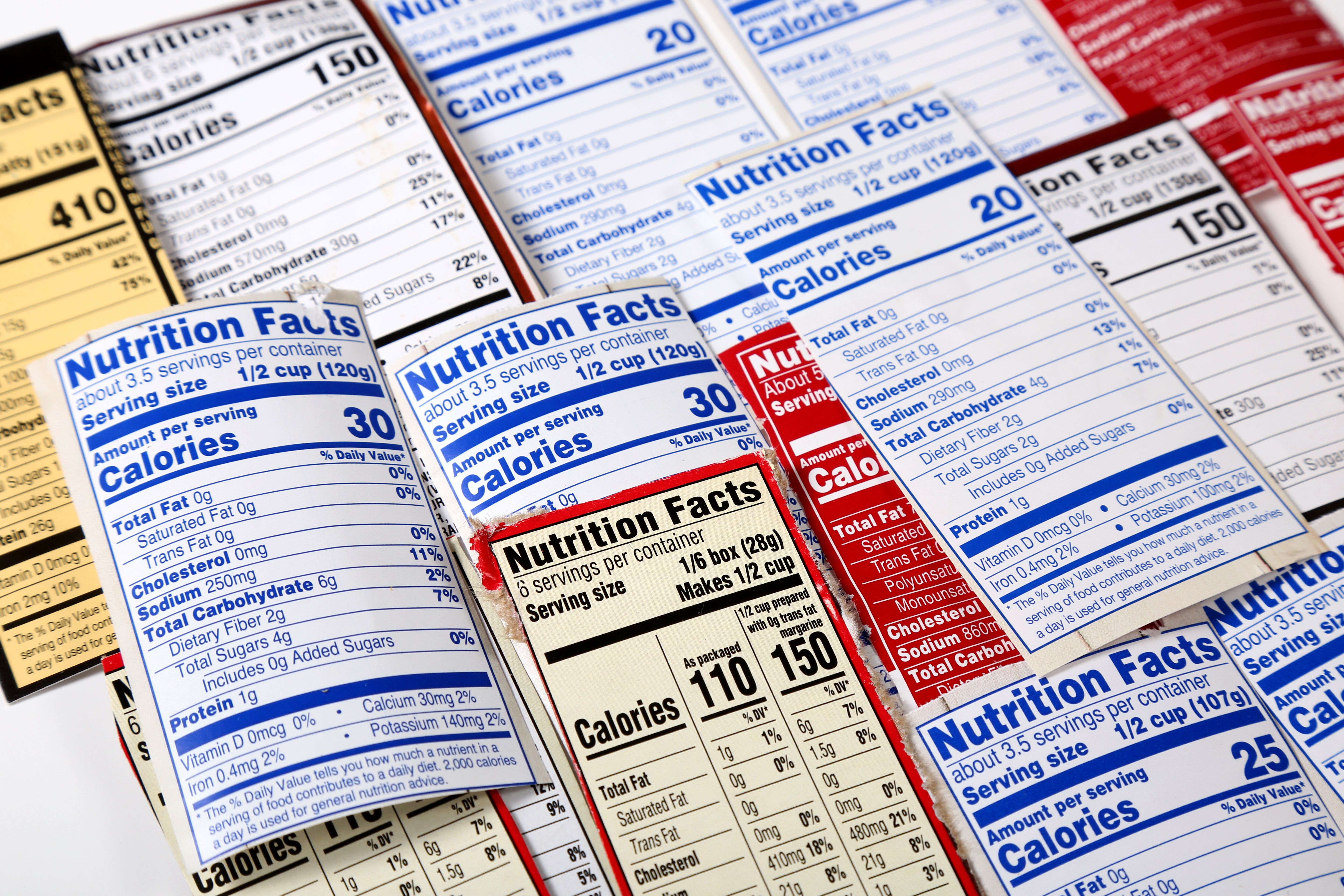
The Nutrition Facts label is a crucial element on any packaged food product. It provides a breakdown of the essential nutrients per serving size. Key elements include:
- Serving Size: This indicates the amount typically consumed at one time. All other nutritional information is based on this quantity.
- Calories: Total energy provided by the food per serving.
- Total Fats: Includes saturated and trans fats, which should be consumed in moderation.
- Sodium: High intake can contribute to hypertension; therefore, monitoring this is important.
- Total Carbohydrates: Includes dietary fiber and sugars.
It's important to compare these values against your daily nutritional goals to ensure a balanced diet.
Navigating Ingredient Lists
Ingredient lists can also offer valuable insights. Ingredients are listed in order of quantity, from highest to lowest. This means the first few ingredients are what make up most of the product. Keep an eye out for added sugars or artificial additives, which can detract from a product's nutritional value.
Additionally, be aware of ingredients that may trigger allergies or intolerances. Many labels will highlight potential allergens such as nuts, dairy, or gluten.

Interpreting Health Claims
Food packages often boast various health claims designed to attract consumers. These claims can be related to nutrient content, health benefits, or even production methods. For example:
- "Low Fat": The product contains 3 grams or less of total fat per serving.
- "Organic": At least 95% of the ingredients are certified organic.
- "Non-GMO": The product does not contain genetically modified organisms.
While these claims can be helpful, it's essential to verify them by reviewing the Nutrition Facts and ingredient list.
The Role of Certifications and Logos
Certifications and logos on packaging can provide additional assurances about food quality and production methods. Common certifications include USDA Organic, Fair Trade, and various non-GMO labels. These symbols are often backed by rigorous standards and testing, ensuring that products meet specific criteria.
Understanding these certifications can help you make purchases that align with your values, whether you're prioritizing environmental sustainability or ethical sourcing.
Making Informed Choices
Ultimately, demystifying food labels is about empowering yourself to make informed choices that support your health and lifestyle goals. By taking the time to understand the information provided on packaging, you can confidently select products that are nutritious and aligned with your dietary preferences.
The next time you're shopping for groceries, take a moment to examine the labels more closely. With practice, you'll find it easier to decipher the information and choose foods that contribute positively to your well-being.