
Exploring the Art of Perfect Pasta: A Comprehensive Guide
MC
Understanding the Basics of Pasta
Pasta is a staple in households around the world, yet its simple ingredients belie the complexity of its art. Made from a mixture of wheat flour, water, and sometimes eggs, pasta is versatile and can be transformed into countless dishes. The key to perfect pasta lies not just in the ingredients but also in the techniques used to prepare it.
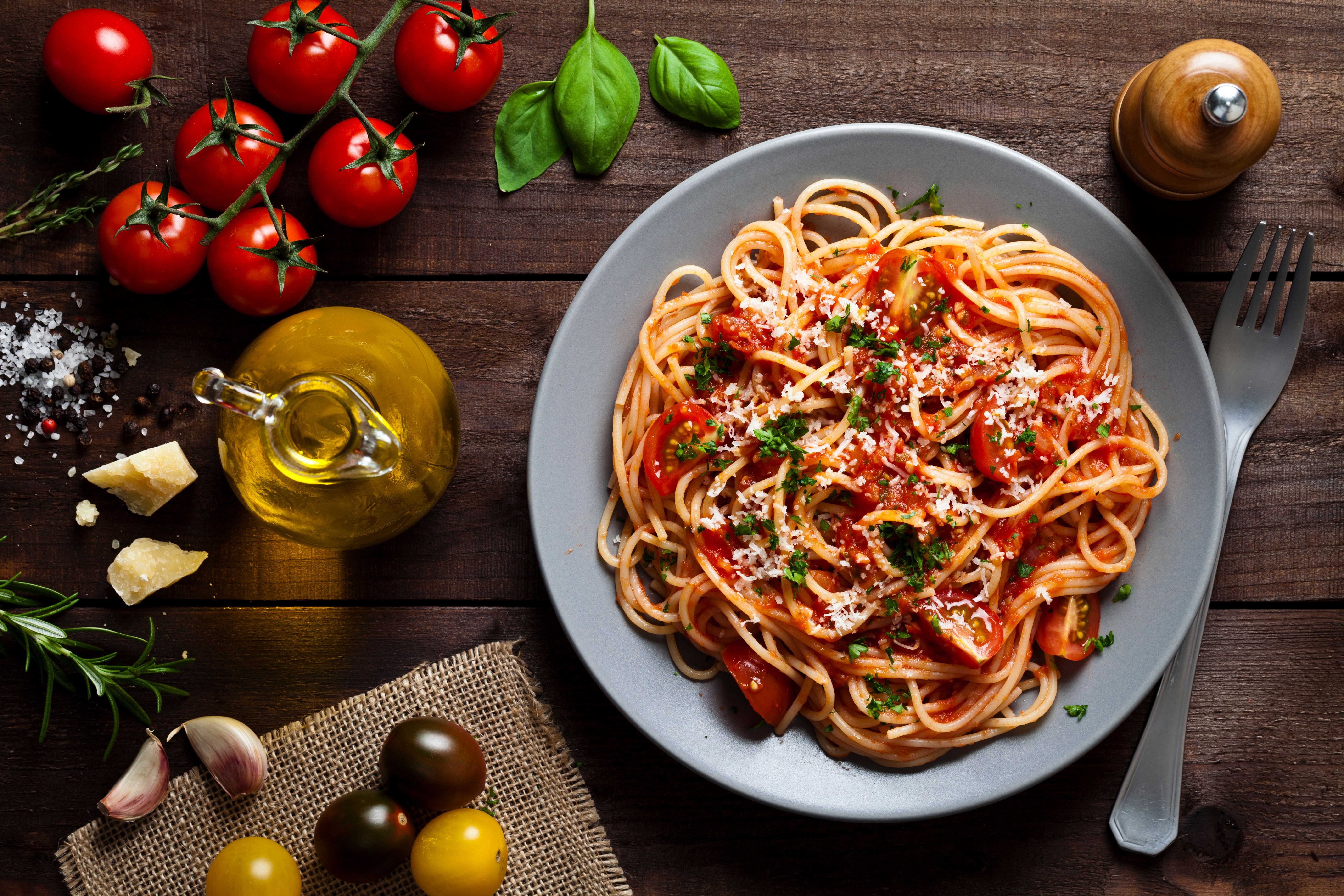
When selecting pasta, consider the type of flour used. Semolina, made from durum wheat, is preferred for its high gluten content, which provides a firm texture and allows the pasta to hold its shape. Fresh pasta is typically made with all-purpose flour and eggs, resulting in a softer texture suitable for dishes like fettuccine and ravioli.
The Art of Cooking Pasta
Cooking pasta might seem straightforward, but achieving the perfect al dente texture requires attention to detail. Begin by using a large pot with plenty of salted water. The salt not only flavors the pasta but also raises the boiling point of the water, cooking the pasta more efficiently. As a general rule, use about 4 to 6 quarts of water per pound of pasta.
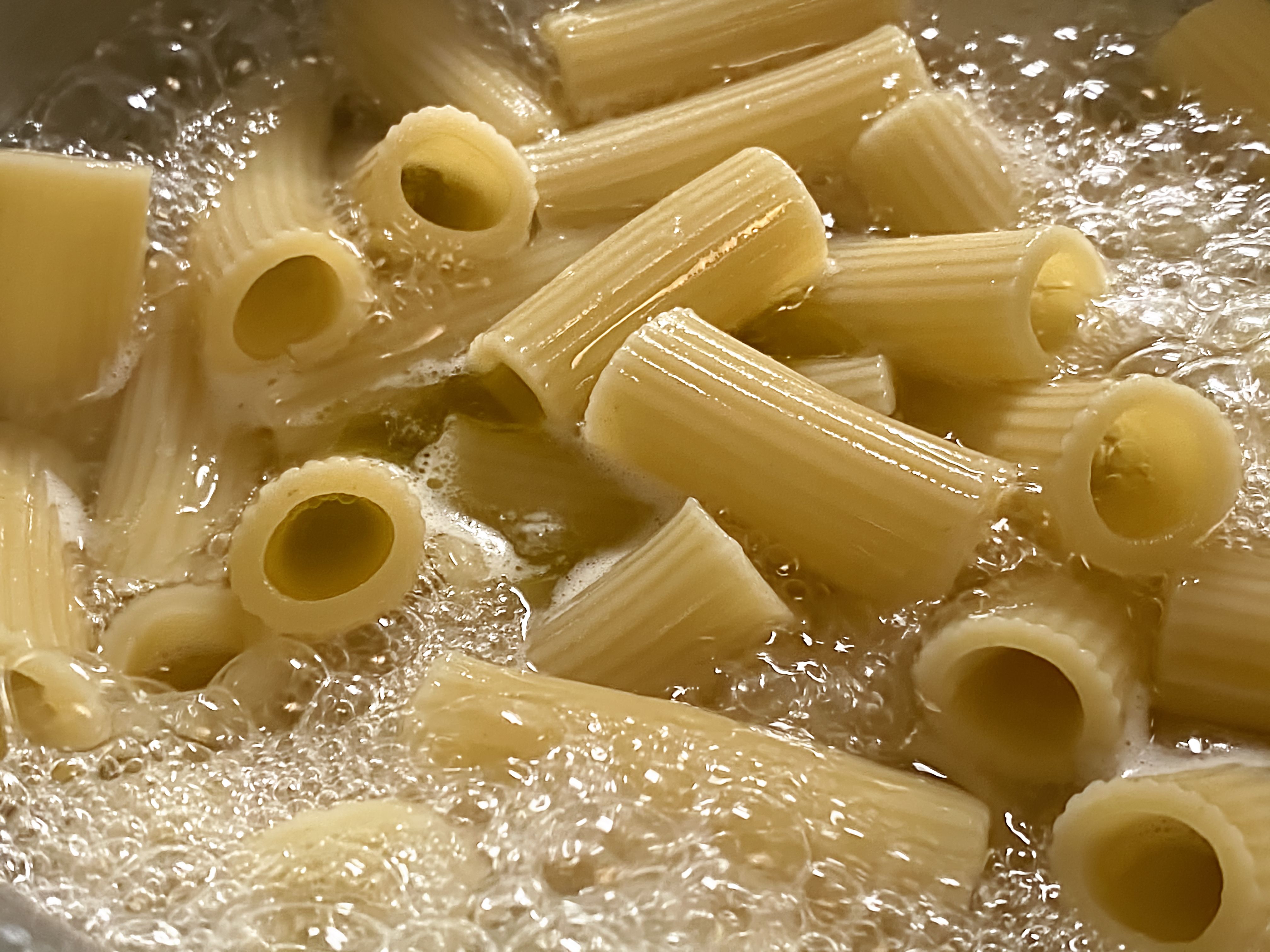
Once the water reaches a rolling boil, add your pasta and stir occasionally to prevent sticking. Cooking times vary depending on the type and thickness of the pasta; always refer to package instructions. To test for doneness, bite into a piece—if it is firm yet tender, it’s ready. Reserve some pasta water before draining; it can be used to adjust sauce consistency later.
Pairing Pasta with Sauces
The right sauce can elevate a simple pasta dish to new heights. Generally, lighter sauces like olive oil or white wine pair well with delicate pastas such as angel hair, while robust sauces like Bolognese complement heartier pastas such as rigatoni. To ensure the sauce adheres well to the pasta, toss them together over low heat before serving.
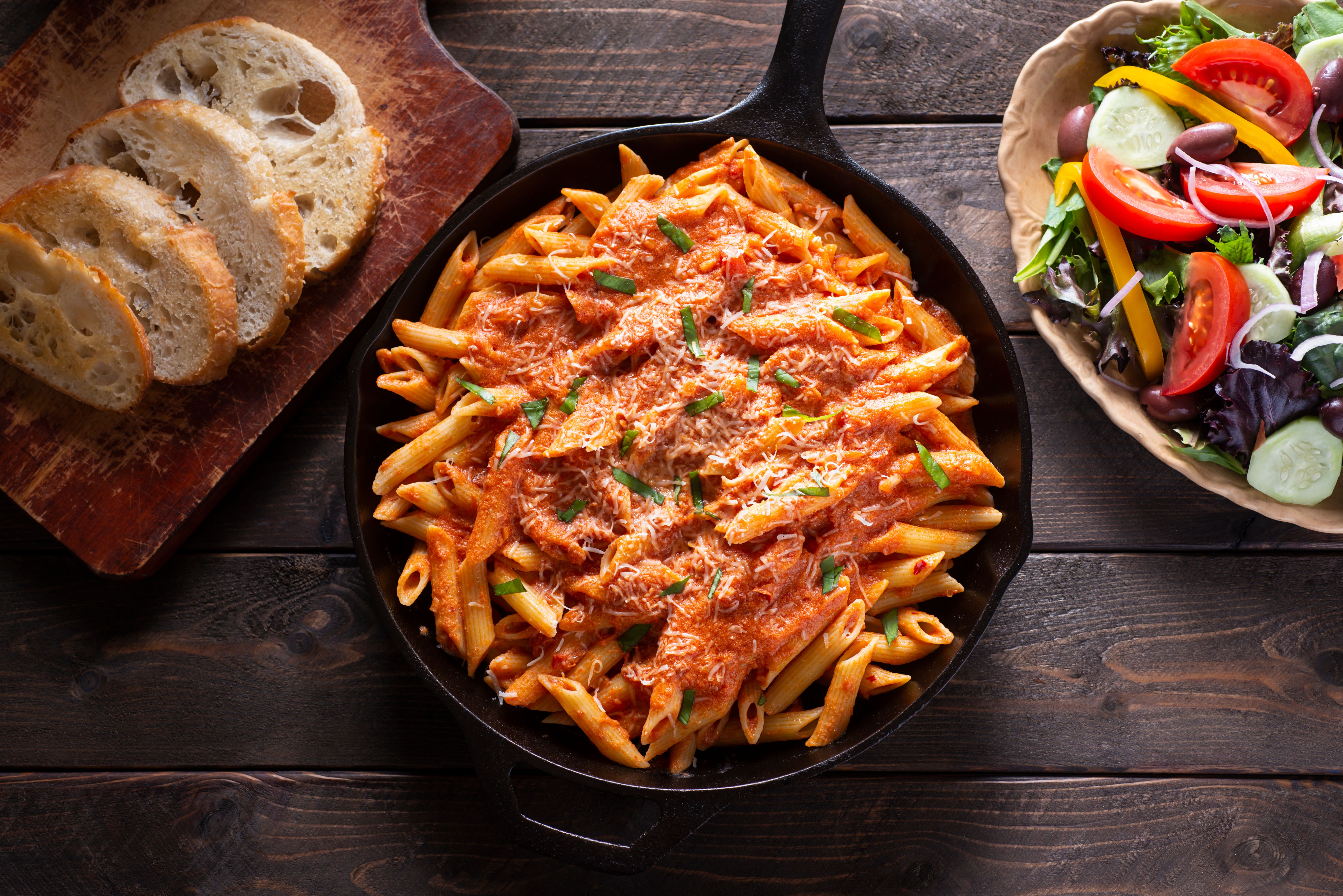
Don’t forget to season your sauce thoughtfully. Adding fresh herbs, spices, or a splash of lemon juice can enhance flavor without overpowering the dish. A sprinkle of cheese such as Parmesan or Pecorino can provide a rich, umami finish. Experiment with different combinations to discover your personal favorites.
Tips for Perfect Pasta Dishes
Consider these tips to perfect your pasta dishes:
- Use Fresh Ingredients: Whenever possible, opt for fresh tomatoes, herbs, and high-quality olive oil.
- Cook in Stages: If making a complex sauce, prepare ingredients in stages to layer flavors effectively.
- Balance Textures: Add crunchy elements like toasted nuts or breadcrumbs for contrast.
Additionally, try experimenting with different shapes and sizes of pasta; each offers a unique texture and experience. From fusilli to pappardelle, the options are endless and can inspire creative culinary exploration.
Conclusion: Embrace the Journey
Pasta is more than just food; it's an art form that allows for endless creativity and personal expression. Whether you're crafting a simple spaghetti aglio e olio or an elaborate lasagna, the process of making pasta is as rewarding as the final dish itself. Embrace the journey and continue exploring new techniques and flavors to elevate your pasta-making skills.