From Farm to Table: How AI is Revolutionizing Sustainable Cooking
MC
The Role of AI in Sustainable Cooking
The integration of AI into the culinary world is not just a futuristic concept—it's happening now. By utilizing data-driven insights, AI is transforming how we approach sustainable cooking, from optimizing farming practices to creating innovative recipes. These technological advancements are making it easier for chefs and home cooks alike to embrace eco-friendly practices.
AI's ability to analyze and predict outcomes allows for smarter decisions in the kitchen. This means less food waste, better use of seasonal ingredients, and more nutritious meals. As a result, sustainable cooking is becoming more accessible and appealing to a broader audience.

Optimizing Farm Practices
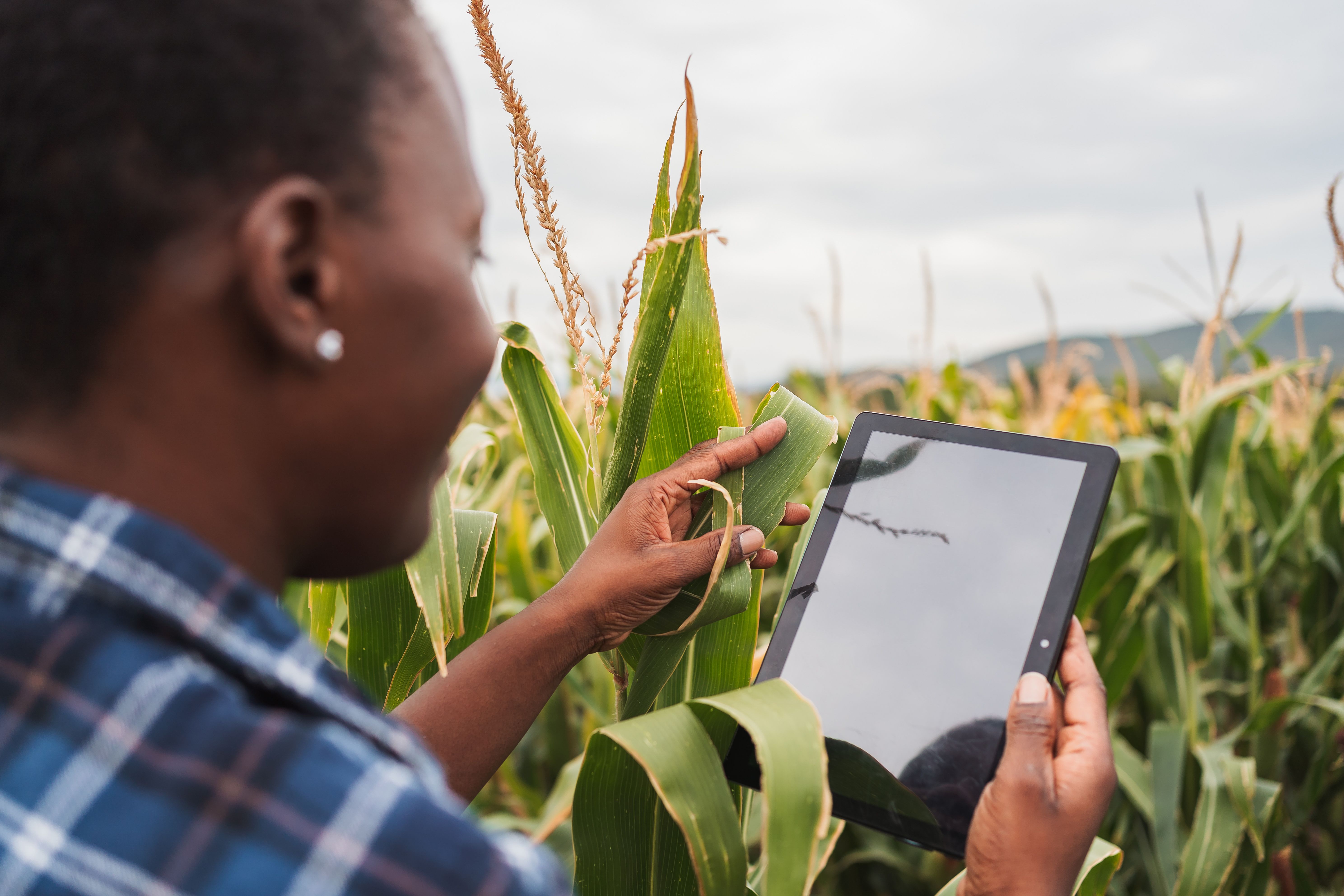
AI's impact begins at the farm, where smart systems monitor soil health, weather conditions, and crop growth. By processing this information, AI can recommend the best planting and harvesting times, ensuring maximum yield with minimal environmental impact. This not only supports local farmers but also helps maintain biodiversity.
Furthermore, AI-powered tools can identify potential pest infestations early, allowing for targeted interventions that reduce the need for chemical pesticides. Such precision agriculture techniques contribute significantly to sustainable farming methods, ensuring a steady supply of fresh, organic produce.
Enhancing Recipe Development
In the kitchen, AI is revolutionizing how recipes are developed. By analyzing vast amounts of data, AI can suggest ingredient combinations that are not only delicious but also sustainable. It takes into account factors such as local availability, seasonality, and nutritional content, crafting dishes that are good for both people and the planet.
Chefs and food enthusiasts can use AI-driven apps to discover new flavors and cooking techniques. These tools can suggest alternatives for common ingredients, helping reduce the carbon footprint of each meal without sacrificing taste or quality.

Reducing Food Waste
One of the most significant challenges in the food industry is waste. AI offers solutions by predicting inventory needs and monitoring expiration dates. This helps restaurants and retailers reduce excess stock, ensuring that food doesn't go to waste unnecessarily.
For consumers, AI applications can suggest meal plans based on the ingredients they already have, minimizing the need for additional purchases. By encouraging the use of leftovers and seasonal produce, these tools make it easier to adopt a zero-waste cooking approach.
The Future of Sustainable Cooking
The potential for AI in sustainable cooking is vast and continually evolving. As the technology advances, it promises to bring even more innovative solutions to the table, helping us cook smarter and more sustainably.
Through collaboration between technologists, chefs, and farmers, AI is set to play a crucial role in creating a food system that is both efficient and environmentally friendly. The journey from farm to table has never been more exciting, with AI leading the way toward a more sustainable future.