How to Create Authentic Regional Dishes from Your Kitchen
MC
Understanding the Essence of Regional Cuisine
Creating authentic regional dishes from your kitchen involves more than just following a recipe. It's about understanding the essence of the cuisine, which often includes the culture, traditions, and history of the region. Each dish tells a story, and by learning about its background, you can bring authenticity to your cooking.
Start by researching the origins of the dish you want to create. Look into the traditional ingredients used and the historical context. This will provide you with a solid foundation to replicate the flavors and techniques accurately.
Gathering Authentic Ingredients
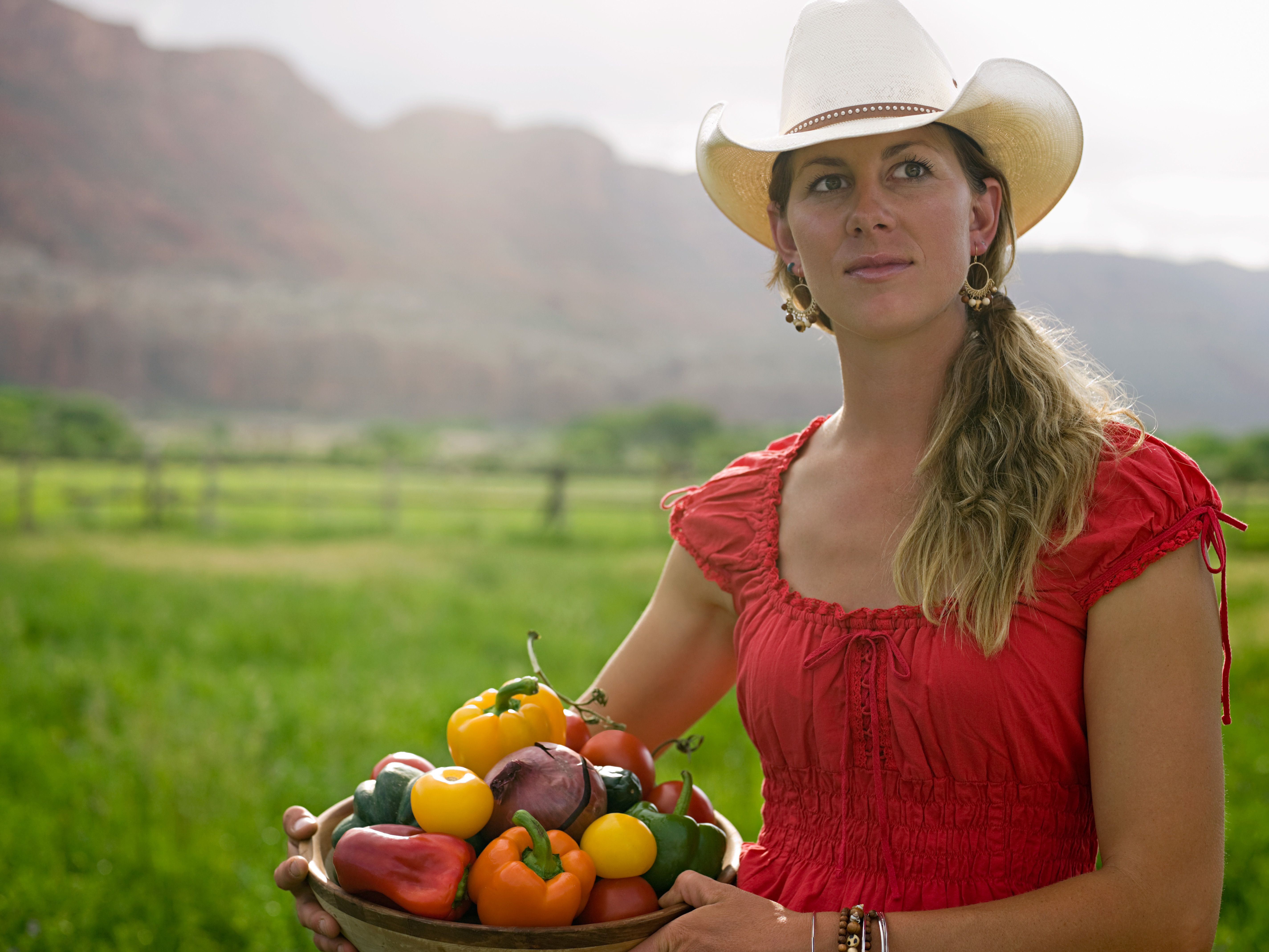
The key to making an authentic regional dish is using genuine ingredients. While it might not always be possible to find every single traditional ingredient, sourcing similar or locally available substitutions can help maintain authenticity. Visit local markets, specialty grocery stores, or online shops that specialize in international foods.
When choosing ingredients, pay attention to quality. Freshness can significantly affect the taste of your dish. If possible, try growing some of the ingredients in your garden, such as herbs and spices, to ensure they are fresh and flavorful.
Mastering Traditional Cooking Techniques
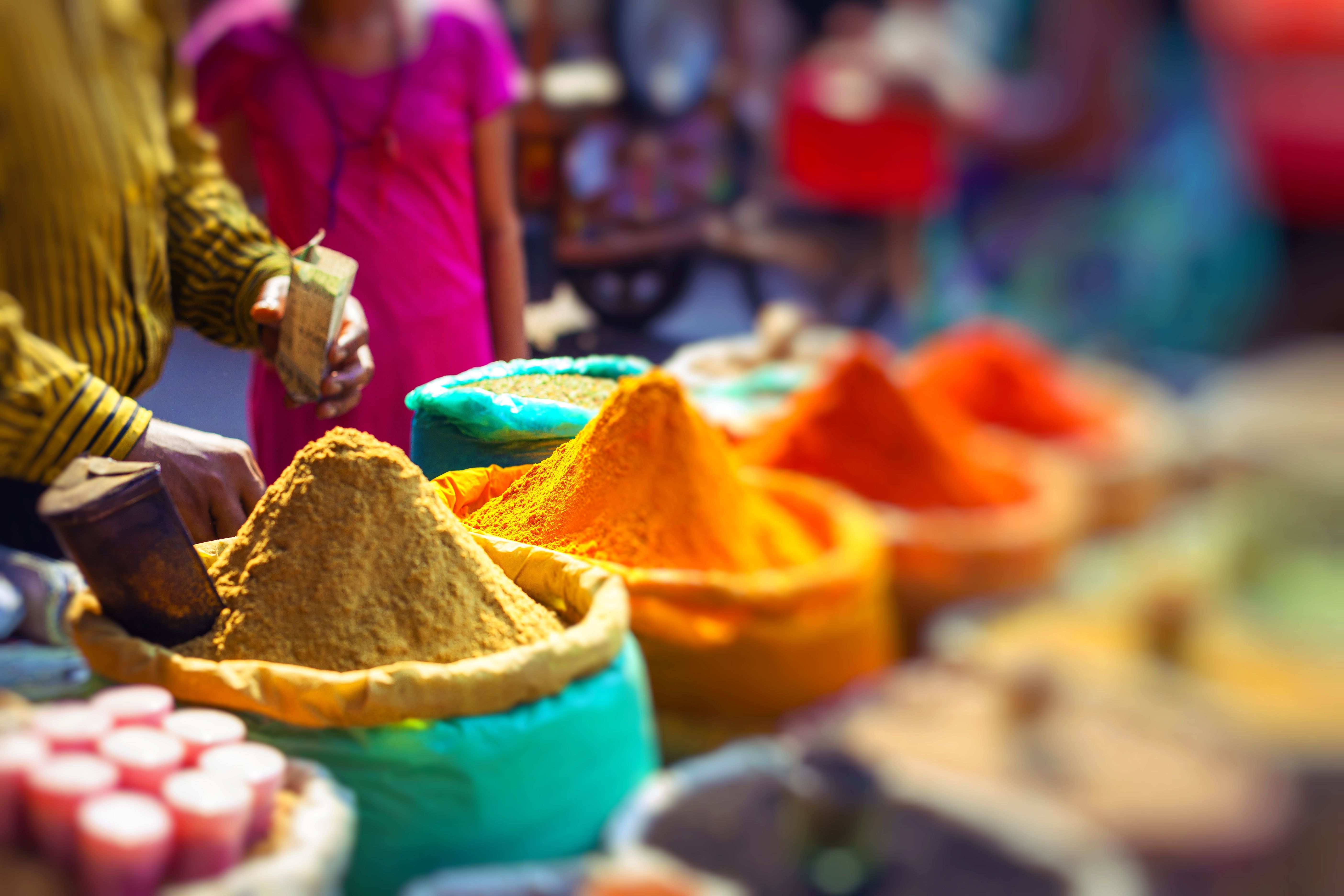
Beyond ingredients, cooking techniques play a crucial role in authenticity. Whether it's slow-cooking, grilling over an open flame, or using a particular type of cookware, these techniques are often what set regional dishes apart. Take the time to learn these methods and incorporate them into your cooking process.
You can find tutorials and cooking classes online that focus on specific regional techniques. By practicing these methods, you'll not only improve your skills but also gain a deeper appreciation for the cuisine.

Adjusting Recipes for Home Cooking
Once you've mastered the basics, it's important to adjust recipes to suit your kitchen and personal taste without losing authenticity. Consider portion sizes and equipment limitations you may have at home. Don't be afraid to tweak recipes slightly; sometimes, slight adjustments are necessary for practical reasons.
However, try to stay true to the core flavors and textures that define the dish. Balancing authenticity with practicality is key to creating a satisfying meal that respects the dish's origins.
Incorporating Personal Touches
While staying true to traditional methods and ingredients is important, don't hesitate to add your own personal touch. Experiment with presentation styles or pair dishes with your favorite sides or beverages. This can make the experience more enjoyable and personalized for you and your guests.
Embrace the opportunity to share your culinary creations with friends and family. Hosting a dinner party with a themed menu featuring your regional dishes can be a great way to showcase your efforts and celebrate cultural diversity through food.

Learning from Mistakes
Cooking authentic regional dishes is a journey filled with experimentation and sometimes, mistakes. Don't be discouraged if things don't turn out perfectly on your first try. Use each attempt as a learning opportunity to refine your skills and understanding of the cuisine.
Keep a cooking journal to track what worked well and what could be improved. Over time, you'll develop a deeper intuition for creating authentic flavors in your kitchen.
The Joy of Culinary Exploration
Exploring regional cuisines from your kitchen is an enriching experience that connects you with different cultures around the world. The joy of cooking these dishes lies in the journey of discovery and the pleasure of sharing unique flavors with others.
As you continue on this culinary adventure, remember that authenticity comes from both respecting traditions and infusing passion into every dish you create.