
How to Pair Wines with Your Favorite Dishes Like a Pro
MC
Understanding the Basics of Wine Pairing
Wine pairing can seem daunting, but once you understand a few basic principles, it becomes an enjoyable and rewarding experience. The key is to complement or contrast the flavors of your dish with the wine. For instance, if you’re enjoying a rich, hearty meal, a robust wine like a Cabernet Sauvignon can stand up to the intensity.
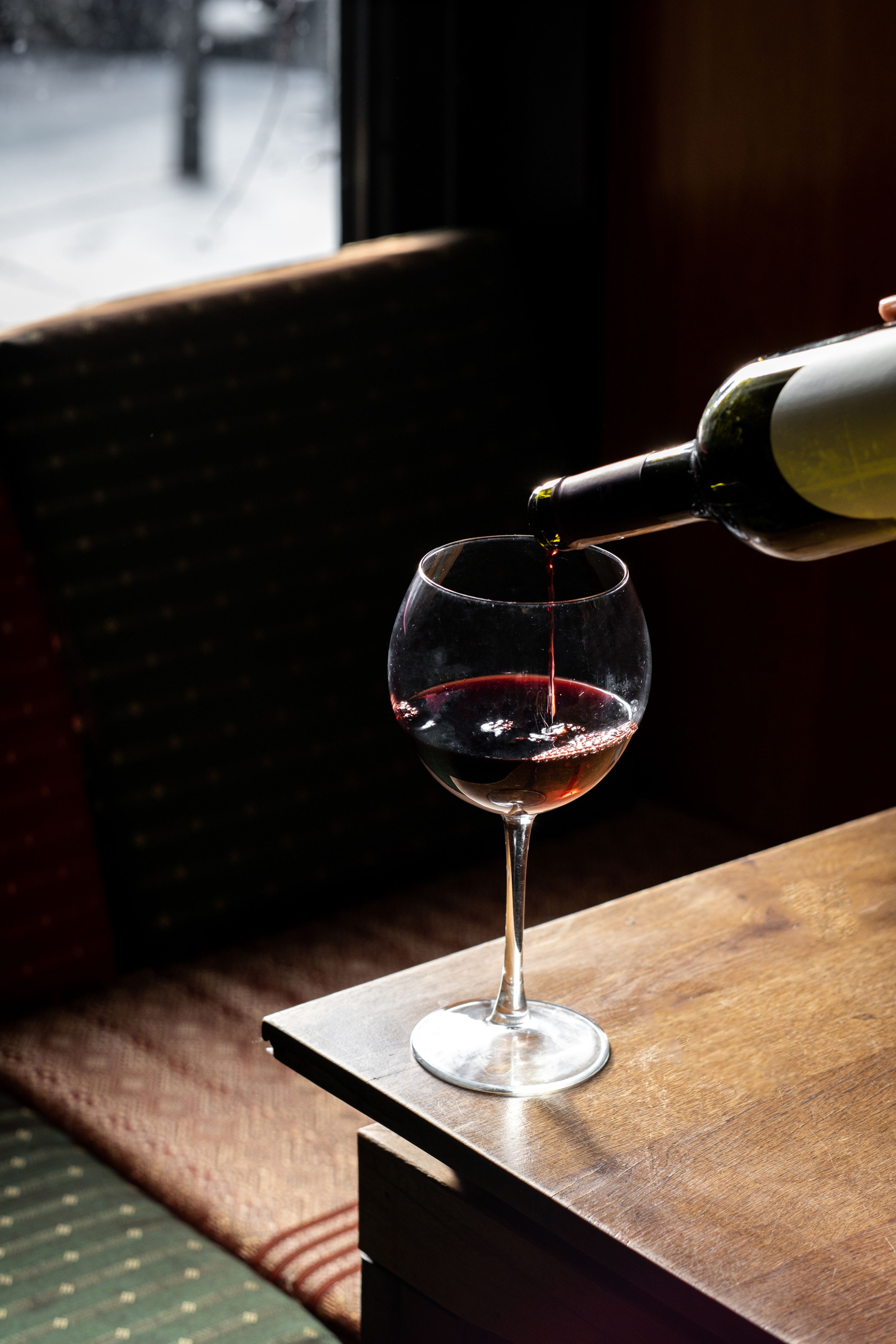
On the other hand, lighter dishes such as salads or seafood often pair well with white wines like Sauvignon Blanc or Pinot Grigio. The goal is to enhance your dining experience by bringing out the best in both the food and the wine.
Pairing Wine with Meats
The protein in your dish plays a significant role in determining the right wine pairing. Red wines tend to go well with red meats due to their bold flavors and tannins. A juicy steak, for example, pairs beautifully with a Merlot or a Malbec.
For poultry, such as chicken or turkey, consider lighter reds like Pinot Noir or even a fuller-bodied white like Chardonnay. These wines complement the mild flavors without overpowering them.

Pairing Wine with Seafood
Seafood generally pairs best with white wines. The crisp acidity of a Sauvignon Blanc or a Riesling can cut through the richness of dishes like lobster or scallops, enhancing their natural sweetness.
For more delicate fish, such as sole or sea bass, a light-bodied wine like Pinot Grigio or Albariño works well to complement the subtle flavors.
Pairing Wine with Vegetarian Dishes
Vegetarian dishes offer a wide range of flavors and textures, which can be beautifully highlighted with the right wine. Earthy vegetables like mushrooms and lentils pair well with red wines such as Pinot Noir or Syrah.
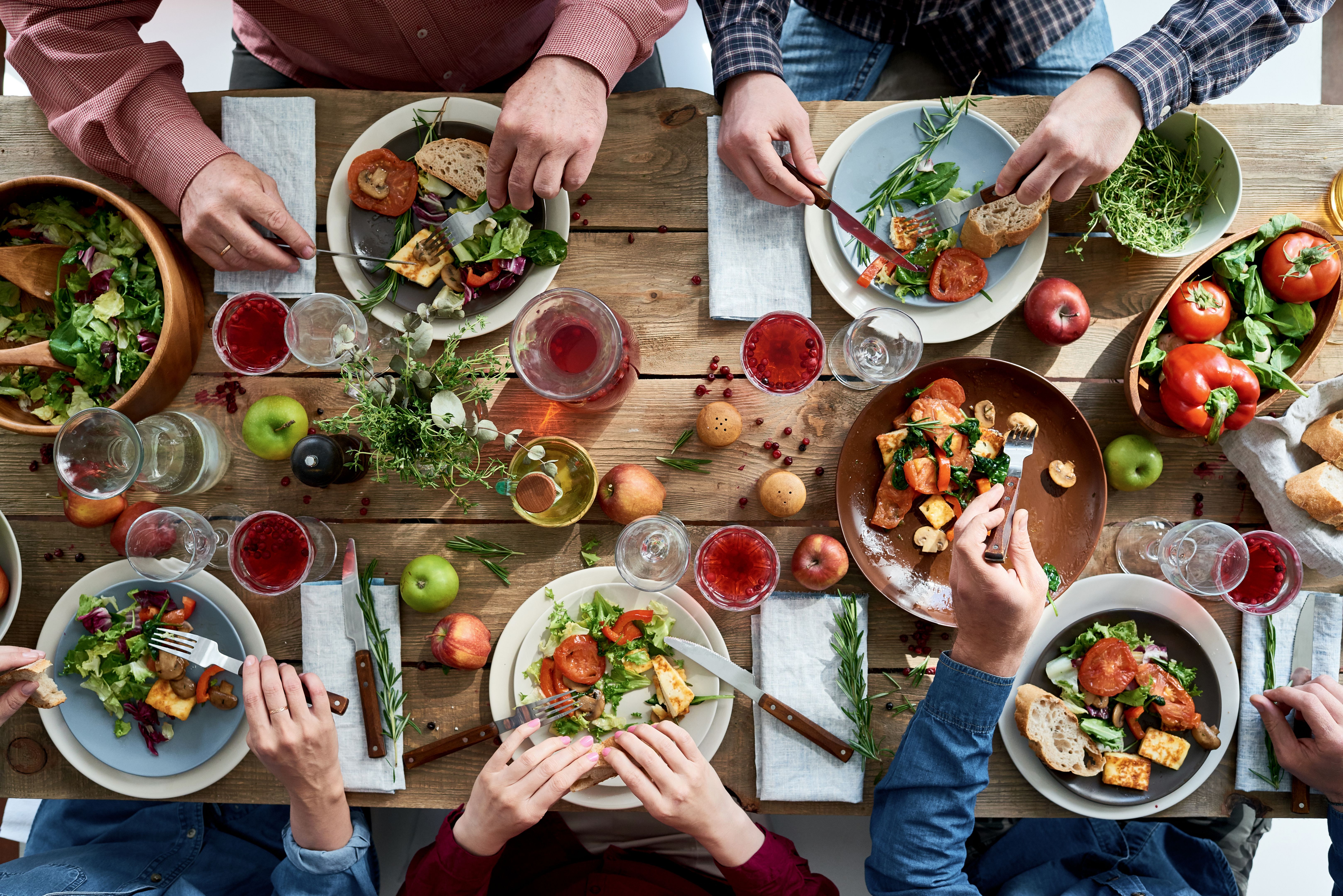
Dishes featuring green vegetables and herbs are complemented by crisp whites like Sauvignon Blanc or Grüner Veltliner, which amplify their fresh flavors.
Considering Sweetness and Acidity
The sweetness and acidity levels in both your food and wine are crucial in achieving harmony. A sweet dish, for example, pairs well with a sweet wine like Moscato or Riesling to balance the flavors.
Acidic foods like tomato-based dishes or citrus-flavored meals benefit from wines with high acidity as well, such as Chianti or Sauvignon Blanc, to avoid making the wine taste flat.
Experimenting and Finding Your Style
While there are guidelines to follow, personal preference plays a significant role in wine pairing. Don't be afraid to experiment and find pairings that suit your taste. Hosting tasting parties where you try different combinations can be a fun way to discover new favorites.

Remember, the ultimate goal of wine pairing is to enhance your dining experience, so trust your palate and enjoy the journey of discovery.