
The Rise of Fusion Cuisine: Combining Flavors and Techniques
MC
Fusion cuisine has taken the culinary world by storm, creating a vibrant tapestry of flavors and techniques that transcend traditional boundaries. This innovative approach to cooking combines elements from various culinary traditions, resulting in dishes that are both familiar and delightfully unexpected.
The Origins of Fusion Cuisine
The concept of fusion cuisine isn't new. It dates back centuries when trade routes opened opportunities for cultural exchange, including culinary practices. However, it was in the late 20th century that fusion cuisine truly gained momentum, as chefs began to experiment boldly with ingredients and techniques from around the globe.
Chefs like Wolfgang Puck and Roy Yamaguchi were pioneers in this movement, blending Western and Eastern flavors to create iconic dishes. Their inventive approaches laid the groundwork for today's fusion cuisine, which continues to evolve and captivate food lovers worldwide.
Key Elements of Fusion Cuisine
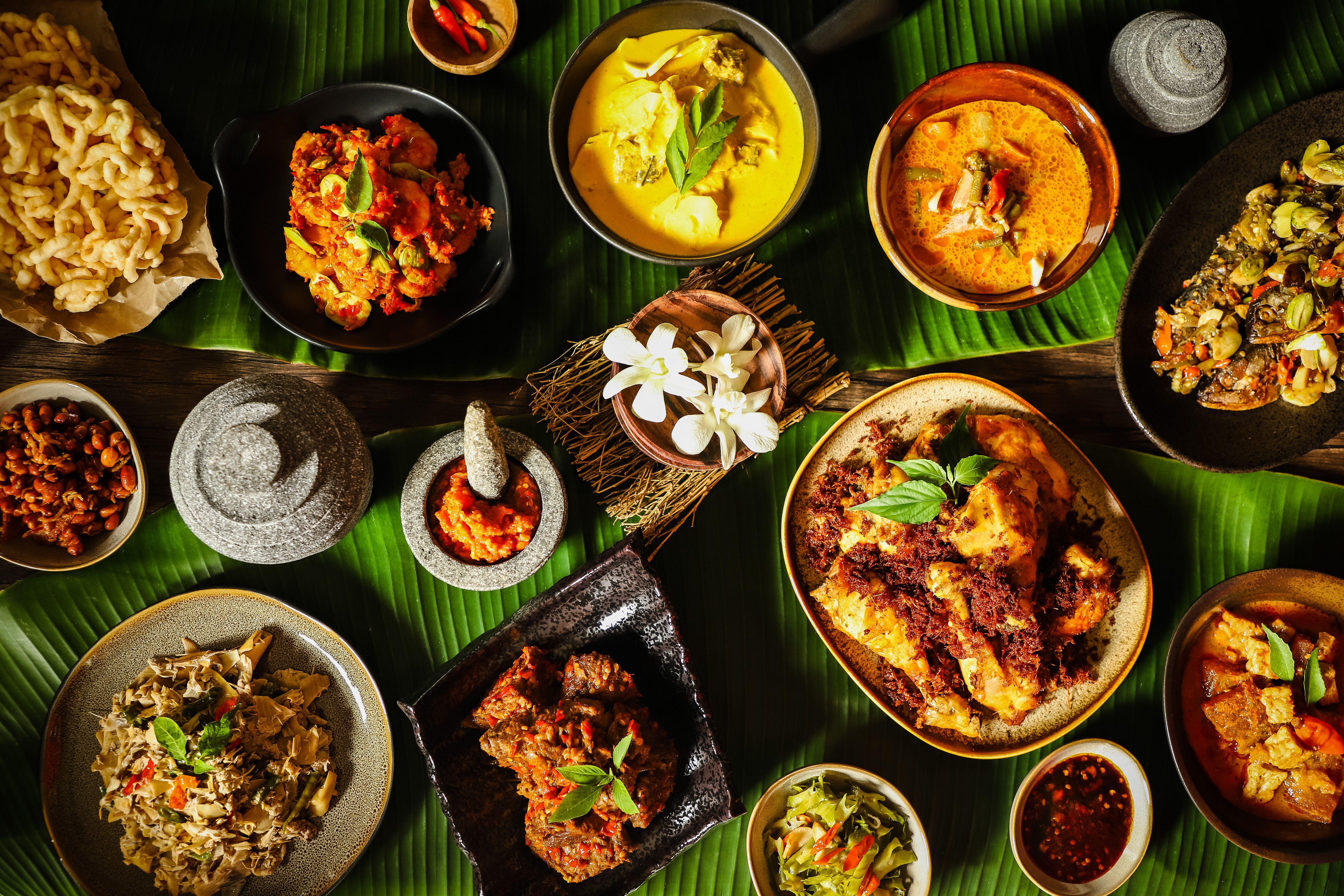
At its core, fusion cuisine is about creativity and innovation. Chefs often take inspiration from diverse culinary traditions to craft unique dishes. Here are some key elements that define fusion cuisine:
- Ingredient Blending: Combining ingredients from different cultures to create new taste profiles.
- Technique Fusion: Mixing cooking techniques, such as French sautéing with Asian steaming.
- Flavor Profiles: Balancing sweet, sour, salty, and spicy elements in novel ways.
These elements allow chefs to push the boundaries of traditional cooking, resulting in dishes that surprise and delight the palate.
Popular Fusion Cuisine Dishes
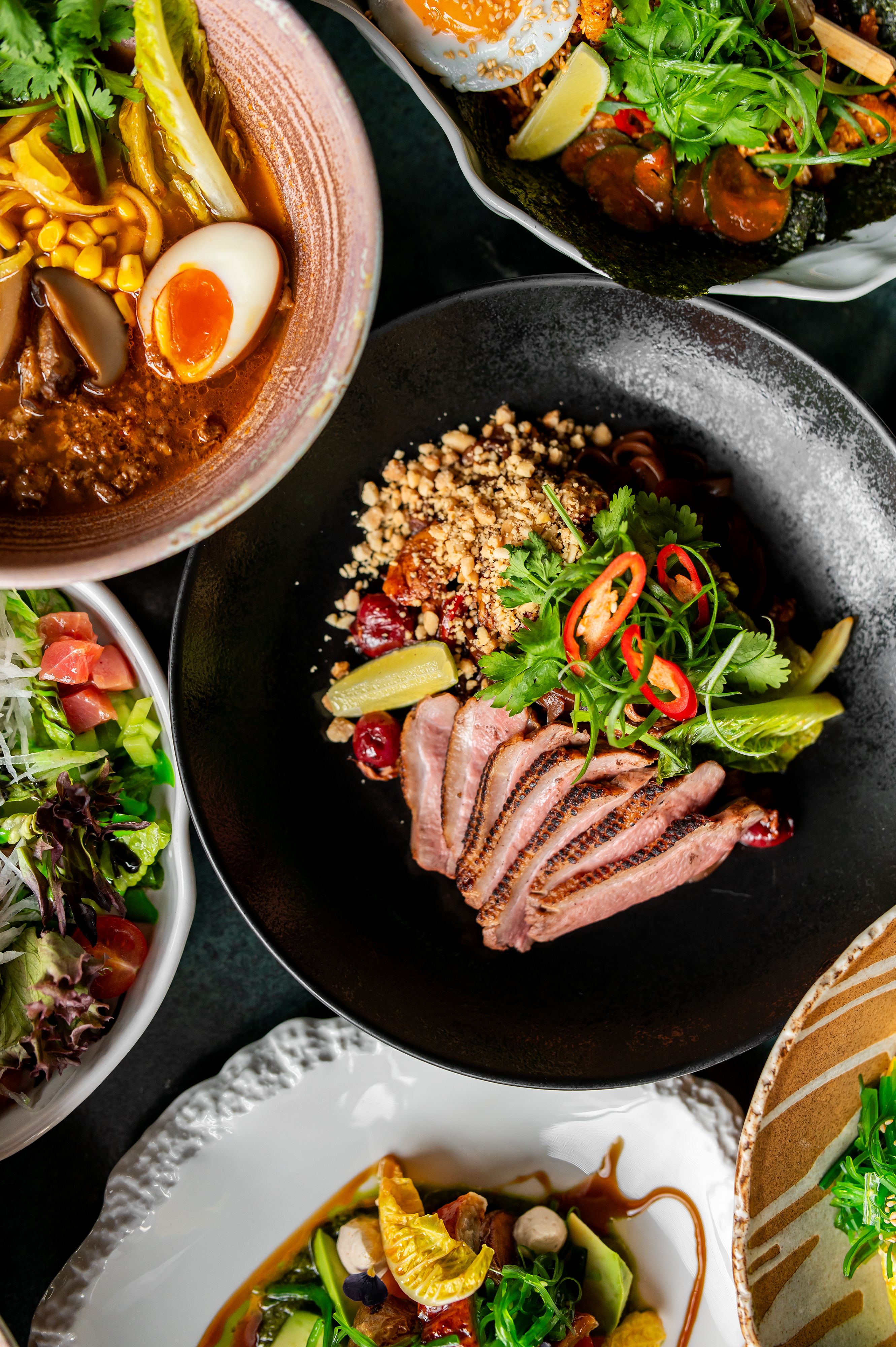
Fusion cuisine has given rise to many popular dishes that have become staples in restaurants around the world. Some notable examples include:
- California Roll: A Japanese sushi roll with a Western twist, featuring avocado and crab.
- Korean Tacos: A delicious blend of Korean BBQ flavors wrapped in a Mexican tortilla.
- Ramen Burger: A creative combination of ramen noodles and a traditional burger patty.
The Appeal of Fusion Cuisine
The allure of fusion cuisine lies in its ability to offer diners something new and exciting. In a world where food trends come and go, fusion cuisine remains a favorite due to its adaptability and endless possibilities. It provides an opportunity for diners to explore new flavors while enjoying the comfort of familiar elements.
Moreover, fusion cuisine reflects the diverse, interconnected world we live in today. It celebrates cultural differences and brings people together through the universal language of food.
The Future of Fusion Cuisine
As culinary techniques and global accessibility continue to advance, fusion cuisine is set to grow even more dynamic. Chefs are continually exploring new pairings and techniques, pushing the boundaries of what is possible in the kitchen.
With sustainability and health at the forefront of modern dining, future fusion cuisine may also see an increased focus on plant-based ingredients and eco-friendly practices. This evolution ensures that fusion cuisine will remain relevant and exciting for generations to come.

In conclusion, fusion cuisine is a testament to the creativity and innovation of chefs worldwide. By combining flavors and techniques from diverse culinary traditions, it offers a unique and delightful dining experience that continues to captivate food enthusiasts globally.