
The Science of Baking: Understanding Flour and Its Impact on Pastries
MC
The Role of Flour in Baking
Flour is the backbone of many baked goods, providing structure and texture. Understanding the different types of flour and their specific characteristics can greatly enhance your baking skills. Whether you're a novice baker or a seasoned pro, knowing the science behind flour can help you choose the right type for your pastries and achieve perfect results every time.

Types of Flour
Flour is available in several varieties, each with unique properties that affect how it interacts with other ingredients. The most common types include:
- All-Purpose Flour: A versatile option suitable for many recipes. It has a moderate protein content, making it ideal for cookies, muffins, and quick breads.
- Bread Flour: Contains higher protein levels, which help create more gluten. This results in a chewier texture, perfect for yeast breads and bagels.
- Cake Flour: Low in protein and finely milled, cake flour yields a tender crumb, making it ideal for cakes and delicate pastries.
- Pastry Flour: With a protein content between that of cake and all-purpose flour, pastry flour is excellent for pie crusts and tarts.
The Science Behind Gluten
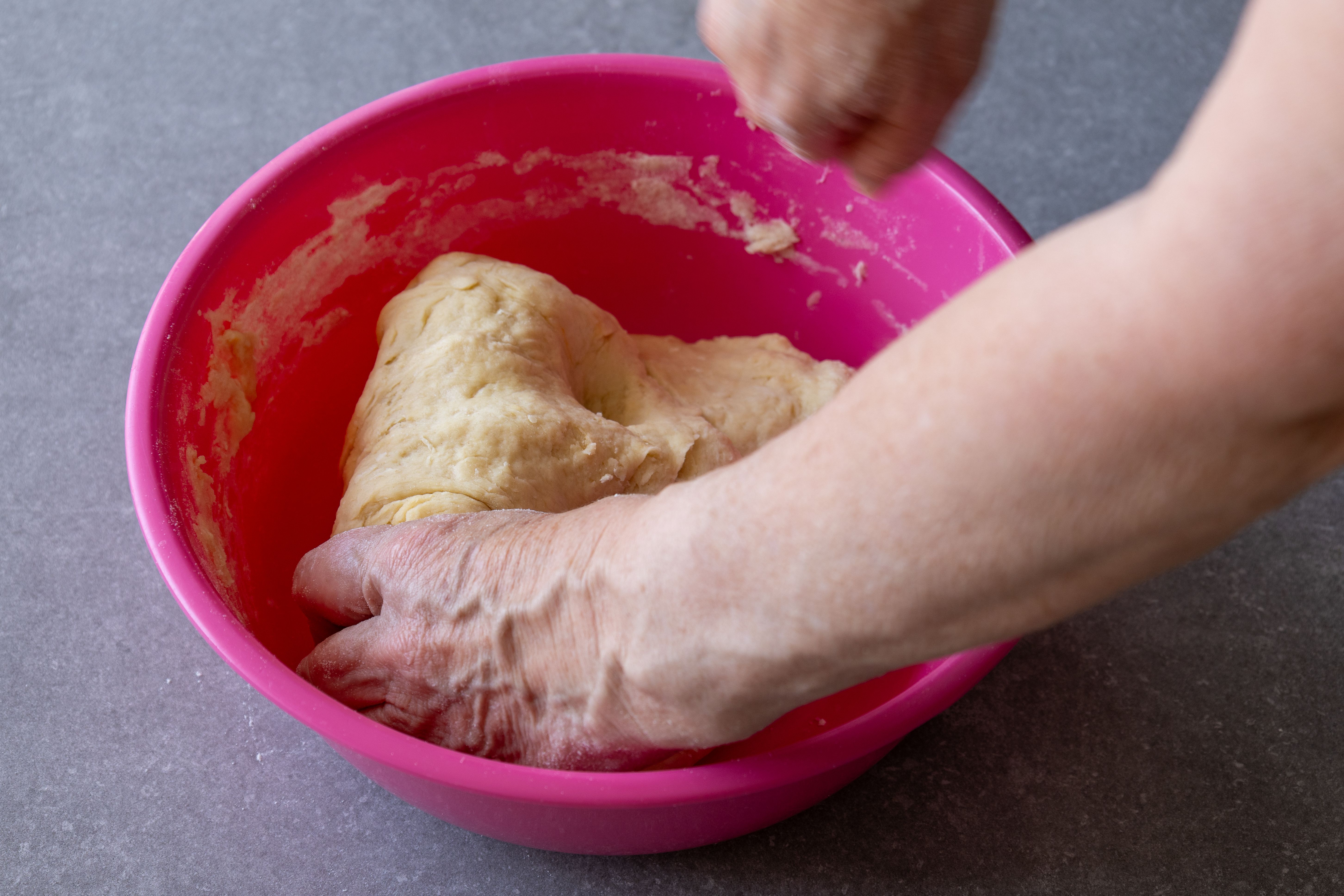
Gluten is a crucial component in baking, formed when water is mixed with the proteins glutenin and gliadin found in flour. This elastic network traps air bubbles, allowing dough to rise and maintain its shape. The amount of gluten developed can vary depending on the type of flour and the method used.
Understanding gluten's role can help you manipulate dough textures. For example, more kneading will develop stronger gluten structures, which is desirable for bread but not for tender pastries like shortcrust.
Flour’s Impact on Texture
The type of flour you choose directly impacts the texture of your baked goods. High-protein flours like bread flour create structures that are dense and chewy, while low-protein flours like cake flour result in light, airy textures. Choosing the right flour ensures your pastries have the desired mouthfeel and appearance.
In addition to protein content, milling processes and flour additives like bleaching agents also influence texture. For instance, bleached flour often results in a finer crumb compared to unbleached flour.

Flour Substitutes and Their Effects
Substituting flours can be tricky but sometimes necessary due to dietary restrictions or ingredient availability. Common substitutes include almond flour, coconut flour, and whole wheat flour. Each substitute brings its own unique properties to the table.
For instance, almond flour is gluten-free and adds a nutty flavor but may require additional binding agents. Coconut flour is highly absorbent, necessitating adjustments in liquid ingredients. Understanding these nuances allows for successful substitutions without compromising pastry quality.
Conclusion: Mastering Baking with Flour Knowledge
Grasping the science of flour is fundamental to mastering the art of baking. By selecting the appropriate type of flour and understanding its properties, you can control the texture, flavor, and overall success of your pastries. With this knowledge in hand, you'll be well-equipped to experiment with new recipes and techniques in your baking journey.