The Ultimate Guide to Seasonal Farm-to-Table Cooking
MC
Understanding the Farm-to-Table Movement
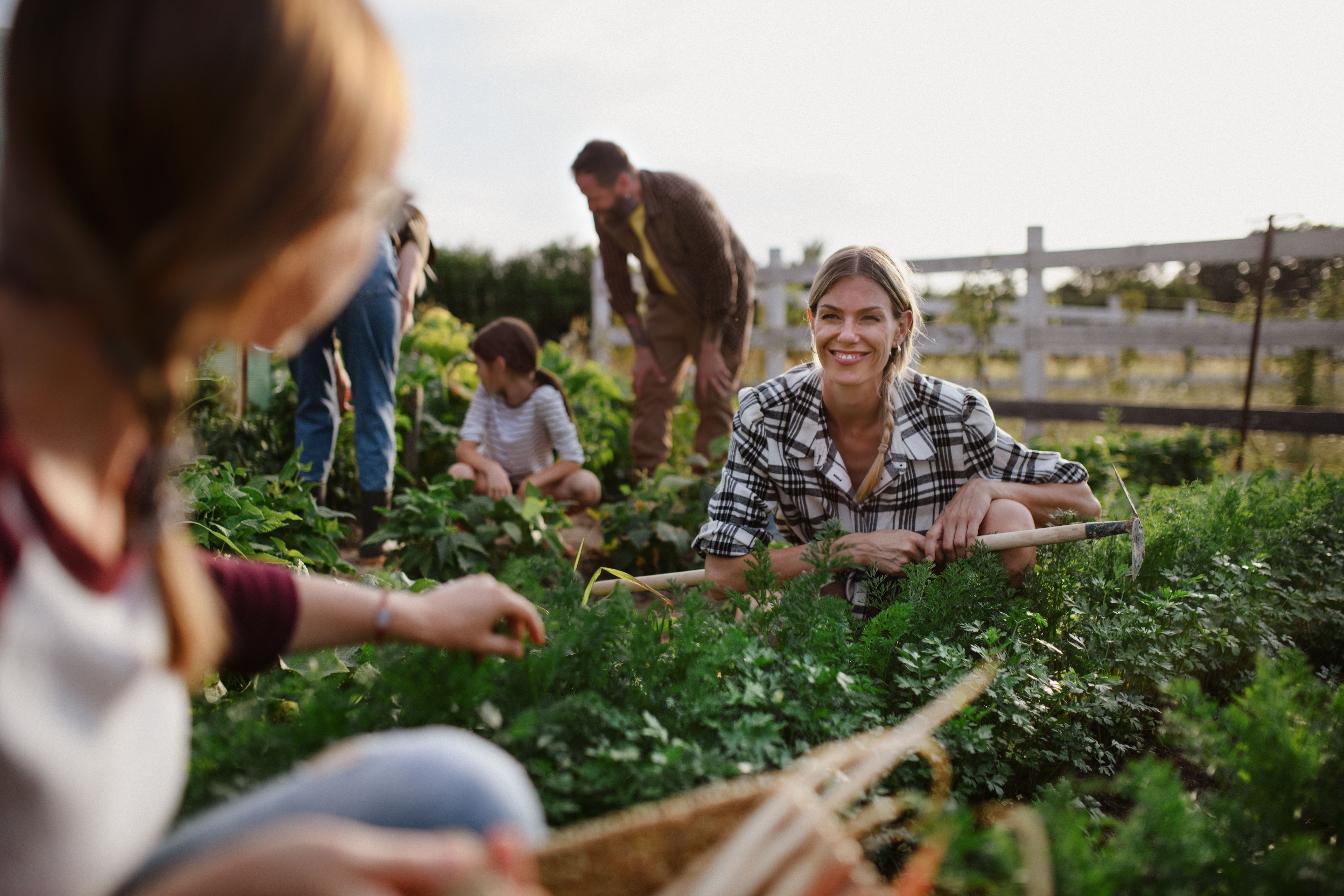
The farm-to-table movement is more than just a culinary trend; it's a philosophy that emphasizes the importance of sourcing food directly from local farms. This approach not only supports local farmers but also ensures that you are consuming the freshest and most flavorful ingredients available. By eating with the seasons, you get to enjoy produce at its peak, both in taste and nutritional value.
One of the primary benefits of the farm-to-table concept is its impact on sustainability. By reducing the distance food travels from farm to plate, this model significantly cuts down on carbon emissions. Additionally, purchasing seasonal produce helps maintain biodiversity and encourages environmentally friendly farming practices.
Why Seasonal Cooking Matters
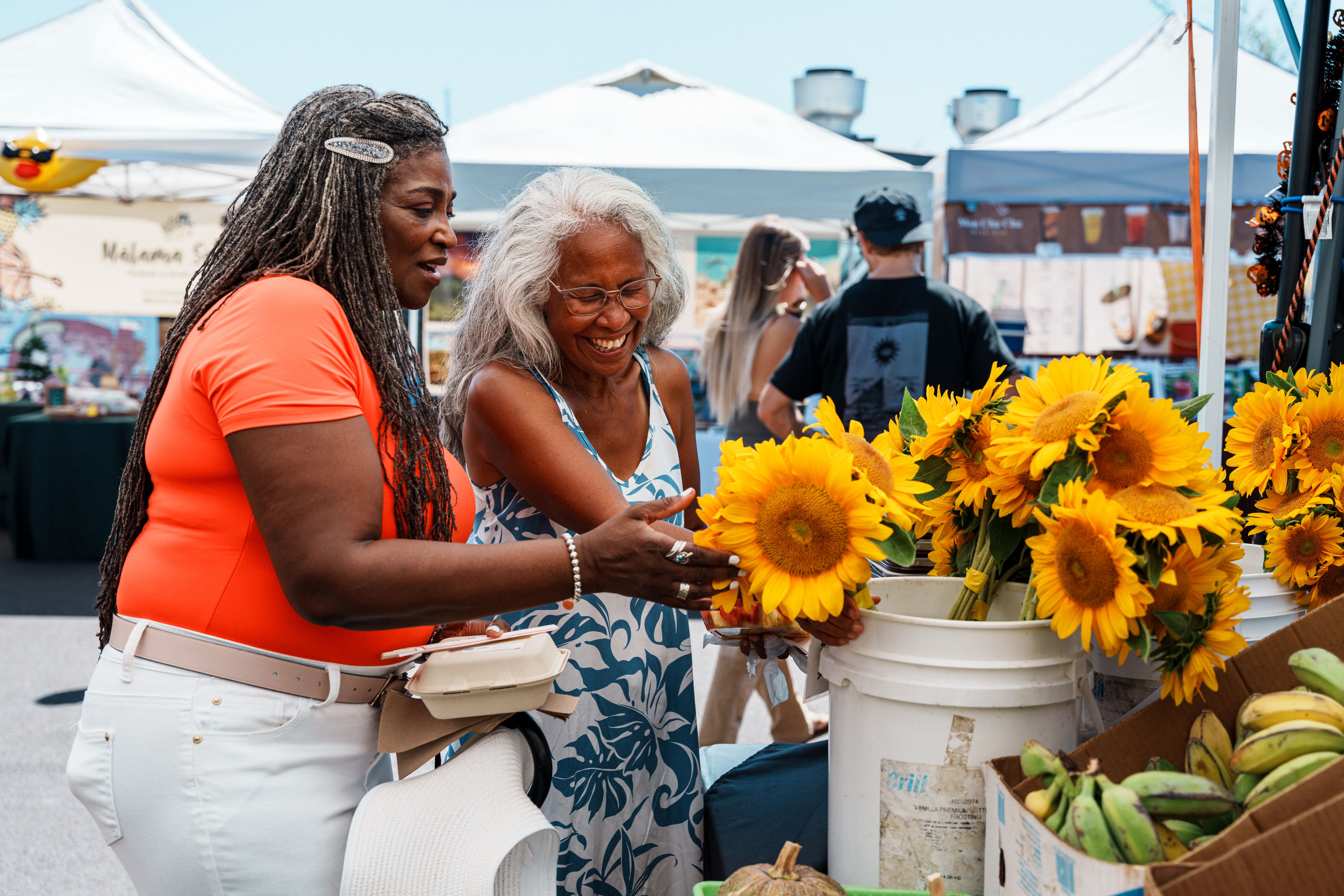
Cooking with seasonal ingredients is a key component of the farm-to-table philosophy. Seasonal produce is harvested at its natural peak, ensuring you get the best flavor and nutrition. Moreover, these ingredients are often more affordable since they are abundant and don't require long-distance transportation.
By focusing on what's in season, you can explore a variety of fruits and vegetables that you might not normally include in your diet. This diversity ensures a more balanced intake of vitamins and minerals, contributing to overall health and well-being.
How to Source Seasonal Ingredients
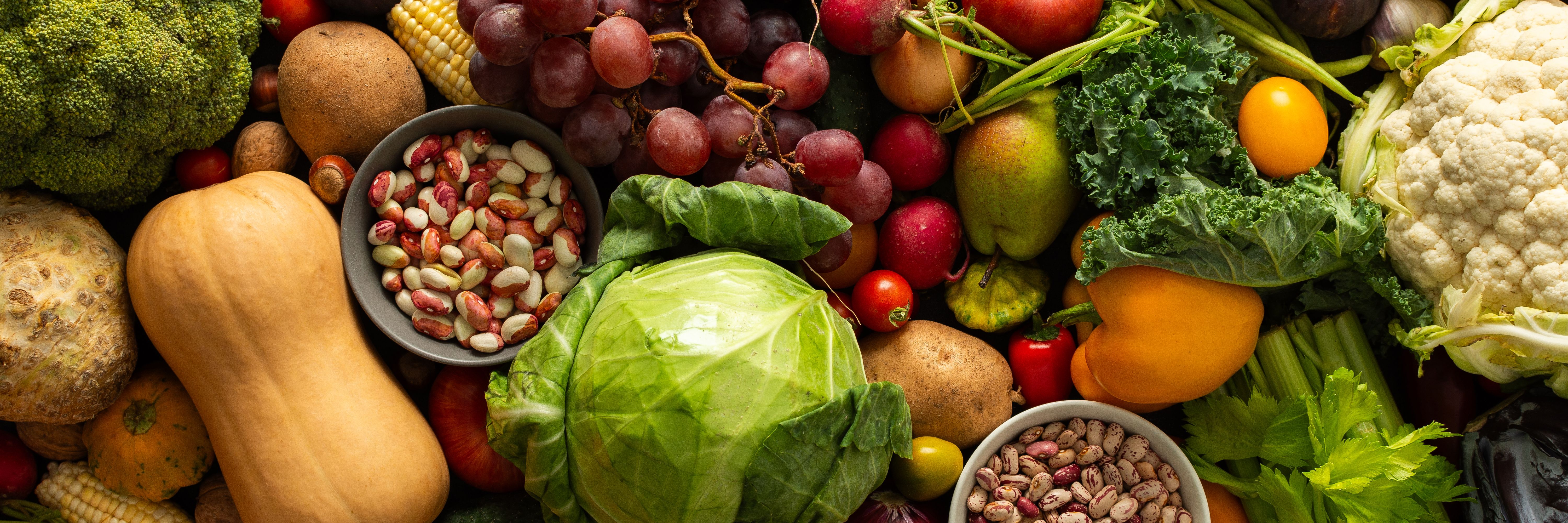
Finding seasonal ingredients can be an enjoyable part of the farm-to-table experience. Here are some ways to source them:
- Visit Local Farmers' Markets: These markets offer a direct connection to local growers, providing a diverse array of seasonal produce.
- Join a CSA (Community Supported Agriculture) Program: By subscribing to a CSA, you receive regular deliveries of fresh produce directly from a local farm.
- Grow Your Own: If space allows, consider planting your own garden to enjoy the freshest produce right at home.
Building relationships with local farmers and vendors can also enhance your understanding of where your food comes from and how it's grown.
Creating Seasonal Menus
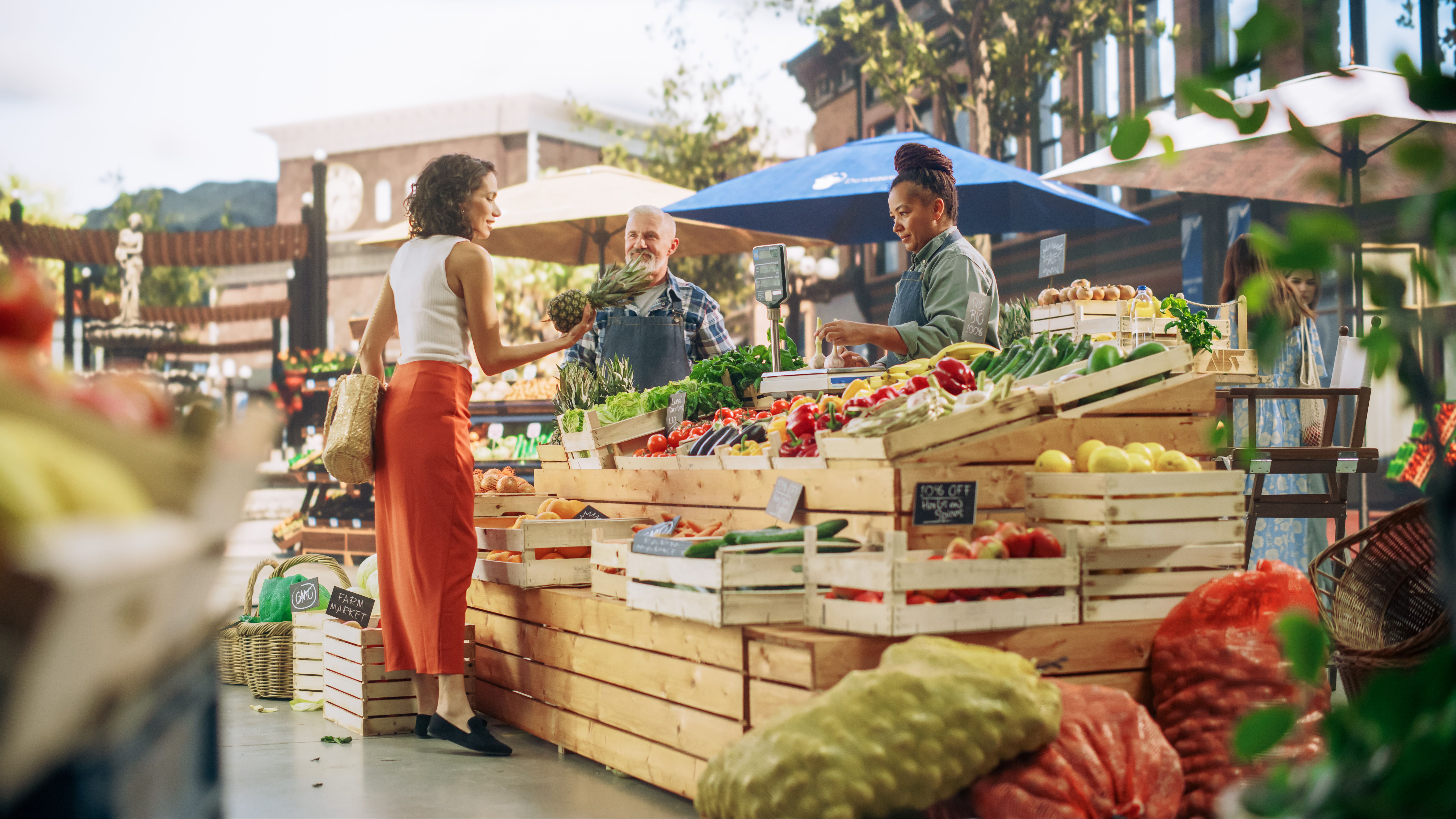
Designing menus around seasonal ingredients can be both exciting and rewarding. Start by identifying what's in season in your region, and then experiment with different recipes that highlight these ingredients. Incorporating a variety of cooking techniques, such as roasting, grilling, or steaming, can bring out unique flavors in each dish.
For instance, in the winter months, root vegetables like carrots, beets, and potatoes can take center stage in hearty stews and soups. In contrast, summer is perfect for light salads featuring tomatoes, cucumbers, and fresh herbs.

Embracing the Farm-to-Table Lifestyle
The farm-to-table lifestyle extends beyond just cooking; it encompasses a deeper connection to food and community. By choosing to eat seasonally and locally, you become part of a movement that values quality over convenience. This mindful approach to eating encourages you to slow down and savor each meal.
Moreover, embracing this lifestyle fosters a greater appreciation for nature's cycles and the hard work that goes into producing our food. It's an enriching journey that not only benefits your health but also supports the planet and your local community.